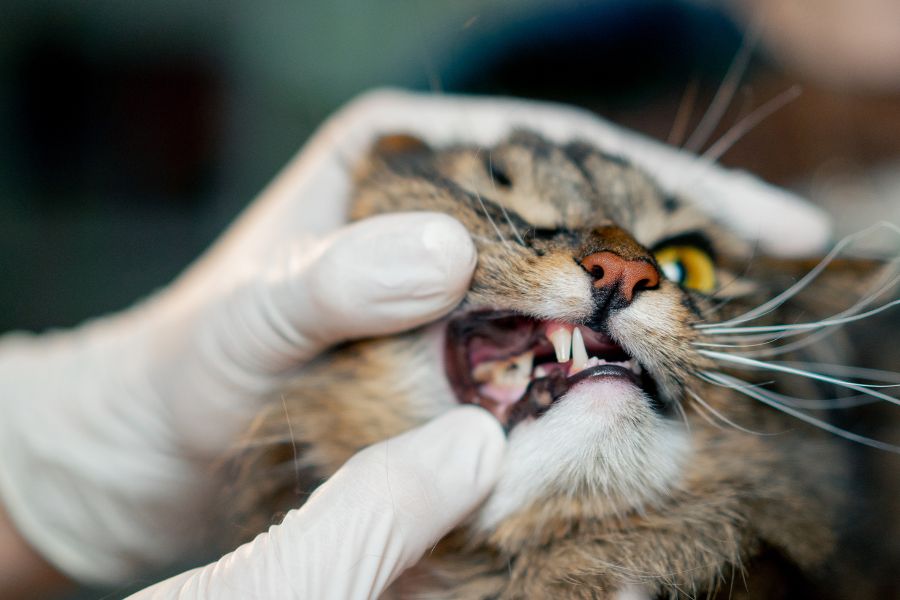
We all love those sloppy, happy greetings from our furry friends, but let’s be honest: “doggie breath” can be overwhelming. Many pet owners mistakenly believe that bad breath is just a natural part of owning a dog or cat. In reality, persistent bad breath is often the first warning sign of periodontal disease, a condition that affects nearly 80% of dogs and 70% of cats by the time they reach age three.
Ignoring your pet’s dental health doesn’t just lead to unpleasant odors; it can shorten their life. Bacteria from the mouth can travel through the bloodstream, damaging the heart, kidneys, and liver over time. The good news? You can prevent this. Just like us, pets benefit immensely from a daily oral hygiene routine. While it might sound like a daunting task, this ultimate guide to brushing your pet’s teeth at home will walk you through the process, turning a chore into a bonding experience.
Why Home Dental Care is Non-Negotiable
To understand why brushing is necessary, we have to look at the science of plaque. Plaque is a sticky, invisible film of bacteria that forms on teeth after eating. At this stage, it is soft and easy to wipe away.
However, if plaque is left undisturbed for just 24 to 48 hours, it combines with minerals in the saliva and hardens into tartar (calculus). Once tartar forms, no amount of brushing can remove it; it must be scraped off by a veterinarian under anesthesia. By brushing regularly at home, you are removing the plaque before it has the chance to harden, essentially stopping disease in its tracks.
Gathering the Right Tools for the Job
Before you try to stick your fingers in your pet’s mouth, you need the right equipment. Using human tools can actually be harmful.
1. The Toothbrush
Do not use a human toothbrush; the bristles are often too hard, and the head is too large for a pet’s mouth.
- Finger Brushes: These slip over your finger and are excellent for beginners or small pets. They offer you more control and tactile feedback.
- Pet-Specific Brushes: These have angled heads and ultra-soft bristles designed to reach back molars in dogs with long snouts.
2. The Toothpaste
WARNING: Never, under any circumstances, use human toothpaste. It contains fluoride (which causes stomach upset) and xylitol (an artificial sweetener that is toxic and potentially fatal to dogs).
- Enzymatic Toothpaste: Look for a pet-safe, enzymatic toothpaste. These come in flavors like poultry, beef, or malt. The enzymes work chemically to break down plaque, meaning the paste does some of the work for you, even if your brushing technique isn’t perfect.
Step-by-Step Brushing Guide: The Training Phase
If you rush in with a toothbrush on day one, you will likely start a wrestling match. Success requires patience and desensitization.
Phase 1: The Taste Test (Days 1–3)
Start by simply letting your pet lick a small amount of the flavored toothpaste off your finger. Do this at a time when they are calm. Offer plenty of praise. You want them to think of the toothpaste as a high-value treat.
Phase 2: The Finger Sweep (Days 4–7)
Put the paste on your finger, but this time, gently lift their lip and rub the paste across the gums and one or two front teeth. Do this for just a few seconds, then reward them immediately. This gets them used to the sensation of having their mouth handled.
Phase 3: Introducing the Brush (Days 8–10)
Let them lick the paste off the bristles of the brush without actually brushing. This makes the “scary” tool seem friendly.
Phase 4: The Main Event
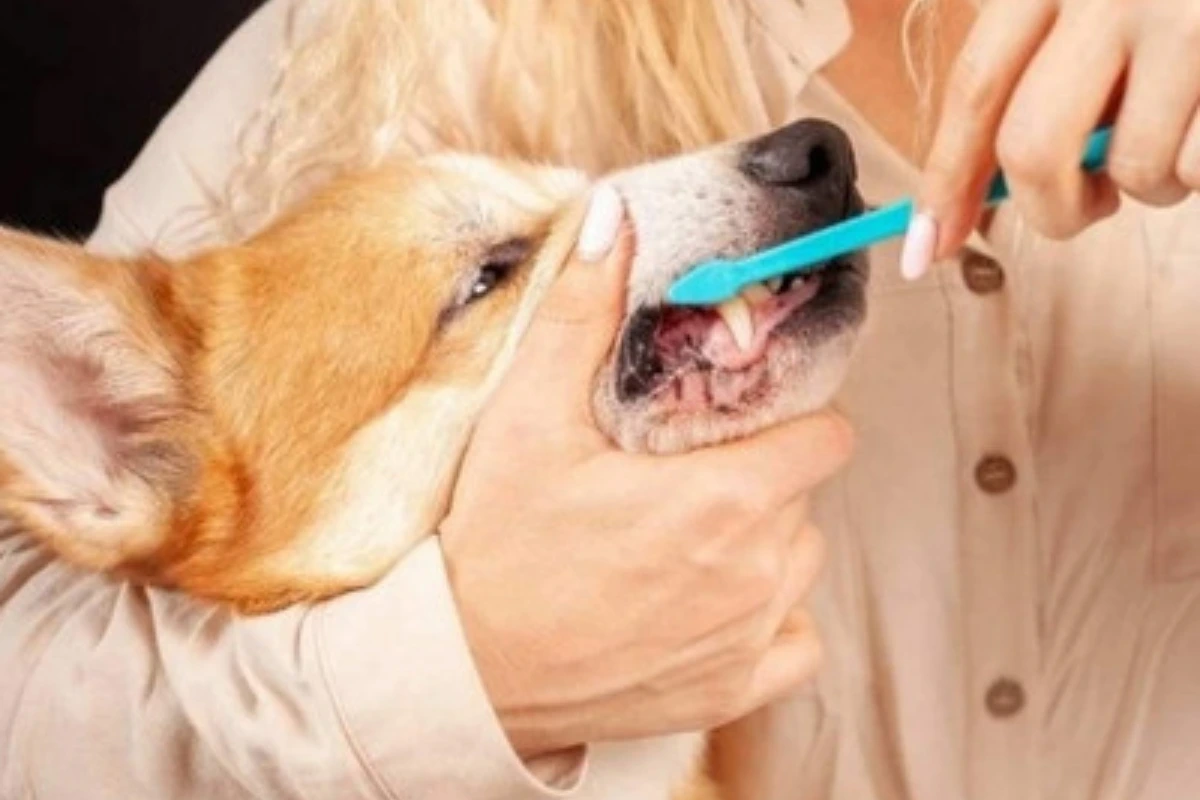
Now you are ready to brush. Lift the lip and gently brush the outer surfaces of the teeth (the side touching the cheek) in a circular motion. Focus on the gum line where bacteria hide. Start with the canines (fangs) and gradually work back to the molars. Don’t worry about the inside of the teeth (by the tongue); the rough surface of the tongue keeps that area relatively clean.
Alternatives for the Reluctant Pet
We understand that not every cat or dog will tolerate a toothbrush, especially if you are starting with an older rescue pet. While brushing is the gold standard, some protection is better than none.
- Dental Wipes: These are textured pads you wrap around your finger to wipe your teeth. They are often less intrusive than a brush.
- Dental Chews: Look for products with the VOHC (Veterinary Oral Health Council) seal. These are clinically proven to reduce plaque.
- Water Additives: These liquids are added to the water bowl to help reduce bacterial growth in the mouth.
When Home Care Isn’t Enough
Even with excellent home brushing, pets still need professional checkups. Brushing removes plaque, but it cannot clean beneath the gum line, where periodontal disease does the most damage.
If you notice bleeding gums, loose teeth, or if your pet shies away when you touch their mouth, stop brushing and seek professional help. These are signs of pain and infection. For residents in our area, finding comprehensive pet dental care Lakewood pet owners trust is the first step toward relieving that pain. A professional assessment will determine if a full cleaning and polishing are required to reset your pet’s oral health.
For a thorough examination and a customized dental plan, Alameda Veterinary Clinic is dedicated to ensuring your pet’s smile remains healthy and pain-free for years to come.
Frequently Asked Questions:
Q1: Can I use baking soda to clean my dog’s teeth?
Ans: No. Baking soda has a high sodium content, which can be dangerous if swallowed, and it tastes terrible to pets. Stick to enzymatic pet toothpaste formulated for their safety.
Q2: How often should I brush my pet’s teeth?
Ans: Ideally, every single day. Plaque hardens into tartar within 24–48 hours. If daily isn’t possible, aim for at least three times a week to make a significant difference.
Q3: My dog’s gums bleed when I brush; is that normal?
Ans: A tiny amount of spotting might happen when you first start, but consistent bleeding indicates gingivitis or gum disease. Stop brushing and schedule a vet visit to check for infection.
Q4: Is dry food enough to keep teeth clean?
Ans: This is a myth. Most dry kibble shatters immediately upon impact and offers very little abrasive cleaning action. It is comparable to a human trying to brush their teeth by eating crackers.
Q5: Can I brush my cat’s teeth?
Ans: Yes! It takes more patience, but cats suffer from painful tooth resorption and benefit greatly from brushing. Use a small finger brush or a Q-tip with tuna-flavored malt toothpaste.
Q6: Are bones safe for cleaning teeth?
Ans: Generally, no. Real bones, antlers, and hooves are often harder than the tooth enamel and are a leading cause of “slab fractures” (broken teeth). Stick to flexible dental chews designed to break down safely.
Related Articles