Training can feel much easier when your dog is eager to learn, enjoys working with you, and responds well to consistent guidance. While every dog is an individual, some breeds are known for being especially responsive to training and quick to pick up new cues. If you are wondering about the easiest dogs to train, breed traits can give you a helpful starting point, but they are not the whole story. Age, personality, motivation, socialization, and your training approach all matter. At Alameda Veterinary Clinic in Lakewood, CO, pet owners can discuss their dog’s behavior, health, and everyday needs with a veterinary professional. Here are 10 breeds often considered highly trainable and what makes each one different.
Which Dogs Are Easiest to Train?
Some breeds tend to be easier to train because they are attentive, motivated by rewards, and willing to work closely with people. Breeds such as Border Collies, Poodles, Labrador Retrievers, and Golden Retrievers are often recognized for their ability to learn commands and participate in structured activities.
However, being intelligent does not automatically make a dog easy to train. Highly intelligent dogs may become bored when training is repetitive, while independent breeds may understand a command but choose not to respond every time.
When comparing trainability, consider:
- Responsiveness: Does the dog naturally pay attention to people?
- Motivation: Is the dog interested in food, play, praise, or activities?
- Energy level: Can you provide enough physical and mental exercise?
- Focus: Can the dog stay engaged during a training session?
- Temperament: Is the dog comfortable learning in different situations?
- Consistency: Can your household provide clear, predictable rules?
The right match depends on more than finding a breed that learns quickly. A trainable dog still needs patience, structure, and daily interaction.
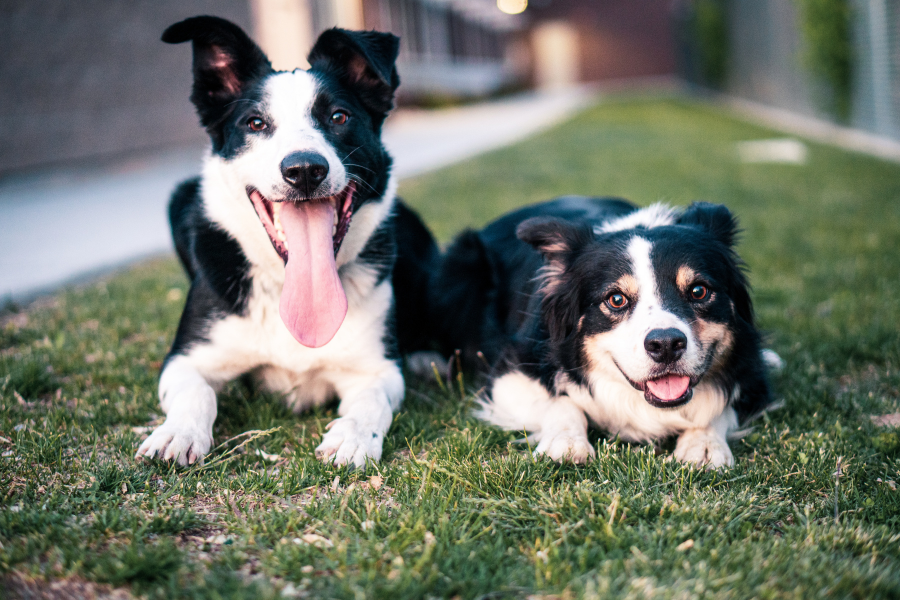
1. Border Collie
The Border Collie is widely regarded as one of the most trainable dog breeds. These dogs were developed to work closely with people, and many are highly attentive to movement, voice, and body language.
Their intelligence is a major advantage during training. A Border Collie may quickly learn basic obedience, tricks, agility exercises, and more complex tasks.
The challenge is keeping that busy mind engaged. Without enough activity, some Border Collies may become frustrated or develop unwanted behaviors.
Training works best when you provide:
- Short, varied sessions
- Puzzle toys and mental challenges
- Daily physical activity
- Clear and consistent commands
- Opportunities to use natural herding instincts appropriately
This breed can be an excellent choice for an active household that wants a dog to train and work with regularly.
2. Poodle
Poodles are intelligent, attentive, and often highly motivated to learn. Standard, Miniature, and Toy Poodles can all be responsive to training, although individual personalities vary.
They can learn obedience commands, tricks, household routines, and many advanced activities. Their combination of intelligence and people-focused behavior makes them a popular choice for owners who enjoy teaching their dogs new skills.
Poodles also benefit from mental stimulation. Repeating the same exercise for long periods may become boring, so rotating activities can keep training interesting.
Early positive experiences can help puppies build confidence and become comfortable with different people, animals, environments, and routines.
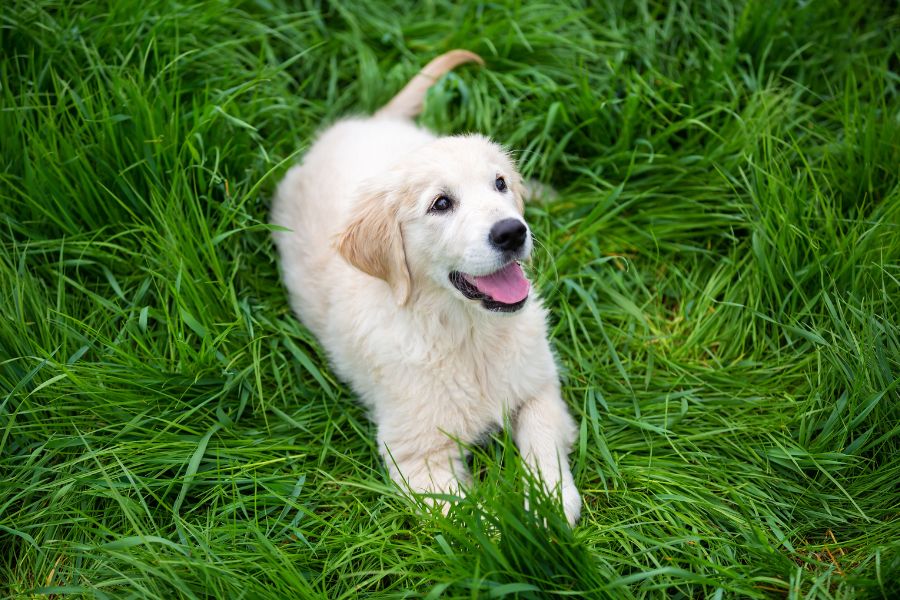
3. Golden Retriever
Golden Retrievers are often eager to please and enjoy interacting with their owners. Their friendly nature and willingness to work can make basic obedience training enjoyable.
Many Goldens respond well to food rewards, praise, play, and consistent routines. They can also learn useful skills beyond basic commands, including retrieving objects and participating in structured activities.
Their enthusiasm can sometimes become overexcitement. A young Golden Retriever may jump, pull, or struggle to focus when something exciting catches their attention.
Patient training can help channel that energy into appropriate behaviors.
4. Labrador Retriever
Labrador Retrievers are another popular choice for owners looking for a responsive and trainable companion. They often enjoy learning, retrieving, playing, and spending time with people.
Labs can learn household manners and obedience skills well when training begins early and continues consistently. Their food motivation can also make reward-based training particularly effective.
Young Labradors can be energetic and easily distracted. Training should therefore include impulse control, polite greetings, leash skills, and learning when it is time to settle.
With regular practice, a Labrador can develop into a confident companion with reliable everyday manners.
5. German Shepherd
German Shepherds are intelligent working dogs that can learn a wide range of commands and tasks. They often form strong bonds with their handlers and can be highly responsive when training is clear and consistent.
Because they are intelligent and energetic, they need more than occasional obedience practice. Physical exercise, mental stimulation, and appropriate socialization are important parts of raising a well-adjusted dog.
Training should focus on calm behavior as well as obedience. Teaching a German Shepherd when to work and when to relax can be just as important as teaching commands.
Owners should also pay attention to the dog’s individual temperament. A confident, social puppy may have different training needs from a cautious or sensitive one.
6. Shetland Sheepdog
Shetland Sheepdogs, often called Shelties, are small herding dogs known for being attentive and responsive. Many enjoy learning tricks, obedience exercises, and activities that challenge both their bodies and minds.
Their sensitivity can be an advantage when training is gentle and consistent. Harsh methods may create fear or reduce willingness to engage.
Shelties can also be vocal. Teaching appropriate barking habits early may be helpful, particularly in homes where close neighbors are nearby.
Short sessions with praise, treats, and playful exercises can keep a Sheltie interested and eager to participate.
7. Papillon
The Papillon may be small, but its size does not reflect its ability to learn. These energetic little dogs can be surprisingly responsive and often enjoy learning tricks and obedience skills.
Their compact size makes them convenient for many households, but they still need mental stimulation and regular activity. Small dogs can also develop unwanted habits when owners overlook training because of their size.
Teaching polite greetings, leash manners, recall, and basic commands early can help prevent those habits from becoming established.
Papillons often enjoy training that feels like a game. Keeping sessions upbeat can make learning more rewarding for both dog and owner.
8. Australian Shepherd
Australian Shepherds are active, intelligent dogs that often thrive when given a job or structured activity. They can learn quickly and may enjoy obedience, agility, scent games, and other mentally challenging activities.
Their intelligence can also create challenges. An Australian Shepherd that becomes bored may invent its own activities, which can include chasing, chewing, or herding household members.
Training should therefore be part of daily life rather than an occasional activity. A combination of exercise, puzzle games, obedience practice, and appropriate social experiences can help meet their needs.
Before choosing this breed, consider whether your household has enough time and energy to provide regular engagement.
9. Doberman Pinscher
Doberman Pinschers are intelligent, athletic, and often highly responsive to their owners. With consistent training and appropriate socialization, they can learn household manners and obedience skills effectively.
Because of their strength and athleticism, early training is especially valuable. Teaching loose-leash walking, impulse control, calm greetings, and reliable recall can make everyday life easier.
Dobermans benefit from clear boundaries and positive reinforcement. They should not be expected to learn appropriate behavior simply because they are intelligent.
As with every breed, individual temperament matters. A veterinarian can also help you understand how your dog’s physical health may affect exercise and behavior.
10. English Springer Spaniel
English Springer Spaniels are energetic, people-oriented dogs that often enjoy learning and working with their owners. Their enthusiasm can make training rewarding when their energy is given an appropriate outlet.
They may excel at retrieving games, scent activities, obedience exercises, and other tasks that allow them to use their natural abilities.
Their excitement can sometimes lead to distraction. Training should include calm behavior, attention around distractions, and appropriate ways to burn off energy.
A Springer Spaniel can be a great match for an active household that enjoys spending time outdoors and incorporating training into everyday activities.
Does Breed Matter More Than Personality When Training a Dog?
Breed can influence a dog’s typical behavior, but individual personality often matters just as much. Two puppies from the same litter can have very different confidence levels, energy, food motivation, and willingness to interact.
A dog’s previous experiences also shape behavior. A well-socialized adult dog from a breed that is not traditionally considered highly trainable may learn household manners beautifully, while a highly intelligent breed may struggle if training is inconsistent.
When choosing a dog, look beyond intelligence. Consider whether the dog’s energy, size, social needs, and temperament fit your household.
A useful match considers:
- Your daily schedule
- Your activity level
- Available space
- Experience with dogs
- Training time
- The dog’s social needs
- Your ability to provide mental stimulation
The goal is not simply to choose a dog that learns commands quickly. It is to find a companion whose needs you can realistically meet throughout its life.
How Can I Make Training Easier for My Dog?
Even breeds known for being highly trainable need clear expectations and regular practice. Start with simple behaviors and gradually increase distractions as your dog becomes more reliable.
Helpful habits include:
- Keep training sessions short and positive.
- Reward behaviors you want to see again.
- Use the same cues consistently.
- Practice in different safe environments.
- Avoid overwhelming your dog with too many new skills at once.
- Give your dog enough exercise and mental stimulation.
- Make sure everyone in the household follows the same rules.
Health can also affect behavior. Pain, illness, anxiety, hearing problems, or other changes can make a dog less responsive than usual. If a previously well-trained dog suddenly behaves differently, a veterinary evaluation can help determine whether an underlying health issue is contributing.
What Should You Consider Before Choosing a Highly Trainable Dog?
A highly trainable dog is not necessarily an easy dog for every household. Many intelligent breeds also have high exercise and mental stimulation needs.
For example, a Border Collie may learn commands remarkably quickly, but that does not mean the breed will be content with a short walk and occasional play. Likewise, an Australian Shepherd may need regular activities that challenge its mind as well as its body.
Think about the full commitment:
- How much exercise can you provide each day?
- How much time can you spend training?
- Does your household prefer an active or relaxed dog?
- Can you provide appropriate enrichment?
- Are you prepared to continue training beyond puppyhood?
Choosing a breed based only on intelligence can lead to a poor match. A dog whose needs fit your lifestyle is more likely to thrive and become a well-mannered companion.
Which of These Dogs May Be Right for Your Household?
The easiest dogs to train often share traits such as attentiveness, motivation, and a willingness to work with people. Border Collies, Poodles, Golden Retrievers, Labrador Retrievers, German Shepherds, Shelties, Papillons, Australian Shepherds, Doberman Pinschers, and English Springer Spaniels can all be excellent learners, but each comes with different exercise, social, and mental stimulation needs.
If you need any suggestions from a veterinary clinic near you before adopting a dog, then Alameda Veterinary Clinic in Lakewood, CO, can help you understand your dog’s health and everyday care needs as you work toward a happy, well-adjusted relationship. Remember that training is a lifelong process, not something that ends once your dog knows basic commands. With patience, consistency, appropriate rewards, and a good understanding of your dog’s individual personality, you can build skills that make life easier for both of you.
FAQs
Q1: What are the easiest dogs to train?
A: Border Collies, Poodles, Golden Retrievers, Labrador Retrievers, and German Shepherds are commonly considered highly trainable. However, individual personality, motivation, age, and previous experiences can affect how easily any dog learns.
Q2: Are intelligent dog breeds always easy to train?
A: Not necessarily. Intelligent dogs can learn quickly but may also become bored, independent, or demanding if they do not receive enough mental stimulation. Training should match the dog’s temperament and energy level.
Q3: What is the easiest dog breed to train for a first-time owner?
A: Labrador Retrievers and Golden Retrievers can be good options for many first-time owners because they are often responsive, social, and motivated to interact with people. The individual dog’s temperament and the owner’s ability to meet its exercise needs still matter.
Q4: How long does it take to train a dog?
A: Basic behaviors can begin developing within weeks with consistent practice, but reliable training takes ongoing reinforcement. Puppies and adult dogs both benefit from regular practice throughout their lives.
Q5: When should I ask a veterinarian about my dog’s behavior?
A: Talk with a veterinarian if your dog shows a sudden change in behavior, unusual fear, aggression, confusion, or difficulty responding to cues it previously understood. Health problems or pain can sometimes contribute to unexpected behavior changes.