
Your pet can seem perfectly healthy while an early health problem is quietly developing. Regular veterinary visits give you a chance to catch changes before they become harder to manage. Pet wellness exams are not just about treating illness. They provide routine checks of your pet’s overall health, from weight and teeth to heart function, skin, behavior, and age-related changes. At Alameda Veterinary Clinic in Lakewood, CO, routine wellness care can help you stay ahead of your pet’s changing needs. While the exact schedule depends on your pet’s age, species, breed, and health history, there are several important areas your veterinarian may evaluate throughout your pet’s life. Here are 15 essential wellness checks every pet owner should understand.
What Do Pet Wellness Exams Include?
A wellness exam is a routine veterinary visit designed to assess your pet’s overall health and identify concerns that may not be obvious at home. Your veterinarian typically reviews your pet’s history, performs a physical examination, and recommends additional testing when needed.
These visits can help identify subtle changes in your pet’s health before obvious symptoms appear. The specific checks your veterinarian recommends may change as your pet grows older or develops new health needs.
Here are 15 important areas commonly addressed during routine wellness care:
- Physical health examination
- Weight and body condition
- Heart and circulation
- Breathing and lung health
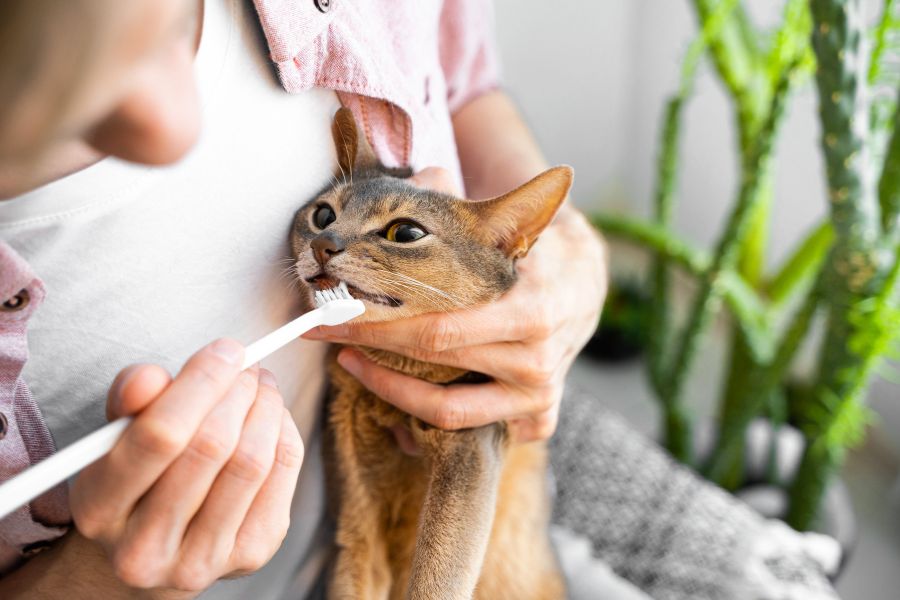
- Mouth and dental health
- Eyes and vision
- Ears and hearing
- Skin and coat
- Abdominal and digestive health
- Joint and mobility health
- Parasite concerns
- Nutrition and diet
- Behavior and mental well-being
- Age-related health screening
- Preventive care planning
Not every pet needs the same tests at every visit. Your veterinarian uses your pet’s age, lifestyle, medical history, and physical findings to decide which areas need the most attention.
1. Physical Health Examination
The general physical examination is the foundation of routine veterinary care. Your veterinarian looks at your pet from nose to tail and checks for changes that may not be easy for you to notice.
The examination may include checking the gums, lymph nodes, skin, coat, muscles, posture, body condition, and overall appearance. Your veterinarian may also listen to the heart and lungs and feel different areas of the body for swelling, pain, or other abnormalities.
A physical exam can provide important clues even when your pet is acting normally. Small changes in weight, muscle mass, breathing, or body condition may help your veterinarian decide whether further evaluation is needed.
2. Weight and Body Condition Check
Your pet’s weight is more than a number on a scale. Your veterinarian also considers body shape, muscle mass, and fat distribution when assessing overall condition.
Being significantly overweight can place extra stress on the joints and may contribute to other health concerns. Being underweight can also signal nutritional problems, dental discomfort, digestive issues, or an underlying illness.
During routine visits, tracking changes over time is especially useful. A gradual weight change may be difficult to notice at home, particularly when you see your pet every day.
Your veterinarian can help determine an appropriate feeding plan and recommend adjustments based on your pet’s age, activity level, and health.
3. Heart and Circulation Check
Your veterinarian will typically listen to your pet’s heart during a routine examination. This can help identify unusual heart sounds or rhythm changes that may warrant additional evaluation.
Some heart problems develop gradually and may not cause obvious symptoms at first. A pet may continue eating, playing, and interacting normally even when a heart concern is beginning to develop.
Your veterinarian may ask whether you have noticed coughing, reduced stamina, fainting, weakness, or changes in breathing. If something unusual is detected, additional testing may be recommended based on your pet’s individual needs.
4. Breathing and Lung Health
Your pet’s breathing pattern can provide useful information about overall health. During an examination, your veterinarian listens to the lungs and observes how your pet breathes.
Changes such as persistent coughing, noisy breathing, rapid breathing, or reduced exercise tolerance should always be mentioned. Even if your pet seems comfortable, these signs can help your veterinarian determine whether further evaluation is appropriate.
Routine monitoring also creates a baseline. Knowing what is normal for your pet makes it easier to identify changes during future visits.
5. Mouth and Dental Health
Dental problems are common in pets and can develop gradually. Your veterinarian will examine the teeth, gums, tongue, and other visible areas of the mouth for signs of inflammation, buildup, damaged teeth, or discomfort.
Watch for warning signs at home, including:
- Bad breath that persists
- Dropping food while eating
- Difficulty chewing
- Excessive drooling
- Pawing at the mouth
- Swollen or bleeding gums
- Changes in eating habits
Your pet may continue eating despite oral discomfort, so a normal appetite does not always mean the mouth is healthy. Regular dental assessments can help identify problems earlier.
6. Eye and Vision Check
Your veterinarian may examine your pet’s eyes for redness, cloudiness, discharge, changes in the pupils, or other visible abnormalities. They may also assess how the eyes respond to light and how your pet responds to visual cues.
Eye problems can sometimes progress quickly, so changes should not be dismissed as a normal part of aging. Squinting, rubbing the face, excessive tearing, or sudden changes in vision deserve veterinary attention.
Routine eye checks are particularly useful for senior pets and animals with health conditions that may affect vision.
7. Ear and Hearing Check
Your pet’s ears should be checked during routine veterinary visits, especially if your pet has a history of ear problems. Your veterinarian may look for redness, swelling, discharge, odor, or other signs of irritation.
Changes in hearing may be harder to notice. A pet that stops responding to sounds, startles easily, or seems confused may need a closer evaluation.
Regular checks can help identify problems before discomfort becomes severe. If your pet frequently scratches its ears or shakes its head, mention this during the appointment.
8. Skin and Coat Examination
The skin and coat can reveal important clues about your pet’s health. Your veterinarian may look for lumps, hair loss, redness, parasites, skin infections, wounds, or areas of irritation.
A dull coat or excessive shedding can sometimes be related to nutrition, allergies, parasites, hormonal changes, or other health concerns. Persistent scratching also deserves attention.
During wellness visits, tell your veterinarian about any new lumps or skin changes you have noticed. A small bump may be harmless, but it is worth having new or changing growths evaluated.
9. Abdominal and Digestive Health
Your veterinarian may gently examine your pet’s abdomen for discomfort, swelling, or unusual findings. They may also ask about appetite, vomiting, diarrhea, stool changes, and bathroom habits.
Digestive changes can be temporary, but recurring symptoms deserve investigation. Changes in appetite or weight can also provide clues about digestive or internal health.
Keep notes about unusual symptoms between visits. Knowing how often your pet vomits, how long diarrhea lasts, or when appetite changes can help your veterinarian understand the bigger picture.
10. Joint and Mobility Health
Joint and mobility checks become increasingly important as pets age, but younger animals can also develop orthopedic concerns. Your veterinarian may observe how your pet stands and walks and gently assess joints and limbs.
At home, watch for:
- Reluctance to climb stairs
- Difficulty getting up
- Limping
- Less interest in playing
- Trouble jumping onto furniture
- Changes in walking pattern
Pets often hide pain, so subtle changes can be meaningful. Early recognition may allow your veterinarian to discuss weight management, activity changes, pain control, or other options when appropriate.
11. Parasite Concerns
Parasites can affect pets even when they appear healthy. During routine visits, your veterinarian may ask about your pet’s lifestyle, outdoor exposure, travel, other animals in the household, and signs such as itching or digestive changes.
Depending on your pet’s risk factors, testing or preventive care may be recommended. Not every pet has the same exposure risk, so recommendations should be based on individual circumstances.
Regular veterinary discussions can help you understand which parasite concerns are relevant to your pet rather than relying on a one-size-fits-all approach.
12. Nutrition and Diet Review
Nutrition plays a major role in maintaining your pet’s health. During a wellness visit, your veterinarian may ask what your pet eats, how much food is offered, how often meals are given, and whether treats or supplements are part of the routine.
Your pet’s nutritional needs can change with age, activity, weight, and health status. A growing puppy or kitten has different needs from an adult or senior pet.
If you are considering changing your pet’s diet, discussing the change with your veterinarian can help you choose an appropriate approach. Nutrition is also an important part of managing weight and supporting healthy aging.
13. Behavior and Mental Well-Being
Behavior changes can sometimes be an early sign of a physical health problem. Your veterinarian may ask about sleep, activity, appetite, anxiety, house-soiling, aggression, vocalization, and interactions with people or other animals.
A previously social pet that suddenly hides or becomes irritable may be experiencing pain or another health issue. Likewise, changes in activity can be important in older pets.
A Hypothetical Case Example
Consider an older dog whose family noticed that he was sleeping more and no longer wanted to climb stairs. During a routine wellness visit, the veterinarian found reduced mobility and signs of joint discomfort that the family had not realized were significant. Discussing the changes allowed the veterinarian to recommend a plan focused on comfort, activity, and ongoing monitoring.
The lesson is simple: small behavior changes are worth mentioning, even when your pet still seems generally happy.
14. Age-Related Health Screening
Pets’ healthcare needs change throughout their lives. Puppies, kittens, adults, and senior pets may require different types of monitoring based on their stage of life.
Older pets may benefit from more frequent evaluations or additional diagnostic testing because certain health conditions become more common with age. Your veterinarian may recommend bloodwork, urine testing, imaging, or other assessments when appropriate.
The goal is not to perform every possible test on every pet. Instead, screening should be guided by your pet’s individual risk factors and examination findings.
15. Preventive Care Planning
The final piece of a wellness visit is creating a plan for the months ahead. Your veterinarian can discuss nutrition, dental care, parasite prevention, behavior, exercise, weight management, and other routine needs.
A preventive plan should change as your pet’s needs change. What is appropriate for a young, active dog may not be right for a senior cat or a pet with a chronic condition.
Ask questions during the visit and share changes you have noticed at home. The more your veterinarian understands about your pet’s daily life, the easier it can be to build a practical care plan.
How Often Should Your Pet Have a Wellness Exam?
Many healthy adult pets benefit from at least one routine veterinary examination each year, while puppies, kittens, senior pets, and animals with ongoing health concerns may need more frequent visits.
Your veterinarian can recommend a schedule based on:
- Age and life stage
- Species and breed
- Existing health conditions
- Lifestyle and activity
- Weight and nutrition
- Previous medical history
- Changes noticed at home
Do not wait for the next scheduled visit if your pet develops a new or concerning symptom. Wellness care is designed for prevention and monitoring, not as a substitute for evaluation when your pet is sick.
Why Are Routine Wellness Exams Important?
Pets cannot explain when something feels different, and many animals instinctively hide signs of illness. Routine veterinary examinations give your veterinarian an opportunity to detect subtle changes before they become obvious problems.
Pet wellness exams also help create a health history that can be compared from one visit to the next. Changes in weight, dental condition, heart sounds, mobility, behavior, or laboratory results may become more meaningful when viewed over time.
If you are willing to know about pet wellness exams from a vet near you, then Alameda Veterinary Clinic in Lakewood, CO, can help you keep track of your pet’s changing health needs through routine veterinary care. A wellness visit is more than a quick checkup. It is an opportunity to understand what is normal for your pet, identify concerns early, and create a practical plan for keeping them comfortable and healthy throughout life.
FAQs
Q1: What happens during a pet wellness exam?
A: A veterinarian reviews your pet’s health history and performs a physical examination from nose to tail. Depending on your pet’s age and health, additional screening or diagnostic testing may be recommended.
Q2: How often should my pet have a wellness exam?
A: Many healthy adult pets should have routine veterinary examinations at least once a year. Puppies, kittens, senior pets, and pets with health conditions may benefit from more frequent visits.
Q3: What signs mean my pet should see a vet between wellness visits?
A: Sudden changes in appetite, drinking, behavior, breathing, mobility, bathroom habits, or energy should be discussed with a veterinarian. New lumps, persistent vomiting, diarrhea, pain, or other unusual symptoms also warrant attention.
Q4: Are wellness exams expensive for pets?
A: The cost varies based on the clinic, your pet’s needs, and whether additional testing is recommended. Asking for an estimate before optional tests or procedures can help you understand the expected cost.
Q5: Can a wellness exam find health problems before my pet shows symptoms?
A: Routine examinations can identify physical changes that may not be obvious at home. When appropriate, your veterinarian may recommend screening tests to look for concerns that cannot be detected through a physical examination alone.
Related Articles