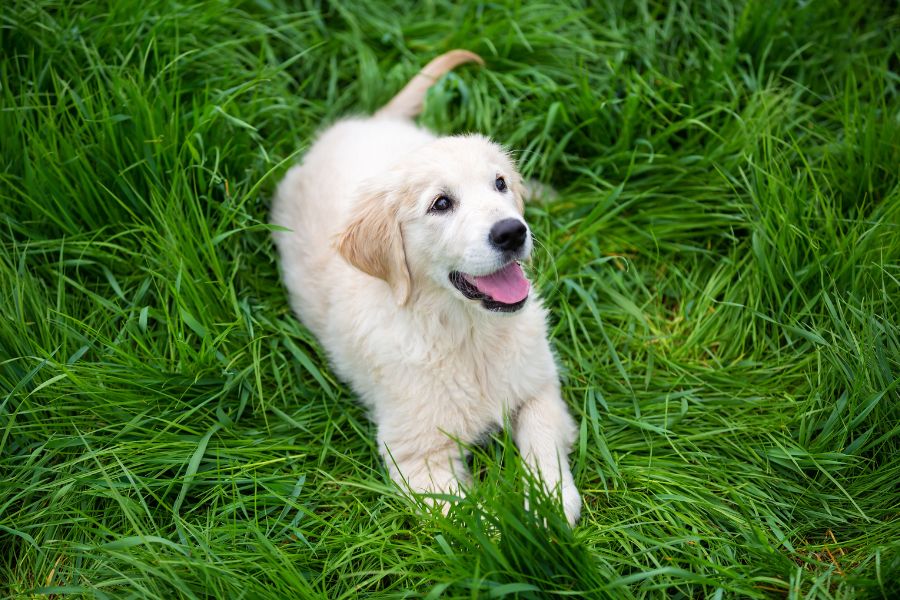
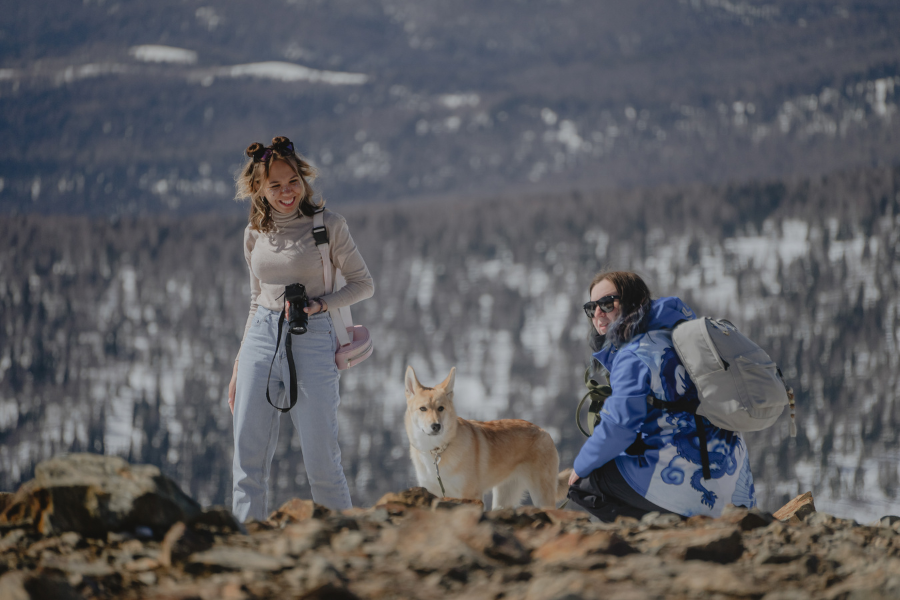
Colorado offers plenty of beautiful places to explore with your dog, from shaded forest paths to open mountain trails with sweeping views. Hiking can give your dog exercise, mental stimulation, and time to bond with you. However, a trail that feels easy for one dog may be too demanding for another. Changes in elevation, rocky ground, wildlife, and fast-changing weather can all affect your dog’s comfort and safety.
Before heading outdoors, consider your dog’s age, fitness level, health, and experience with hiking. A little preparation can help you avoid common problems and make the outing more enjoyable for both of you. Alameda Veterinary Clinic in Lakewood, CO, encourages pet owners to understand their dogs’ needs and plan outdoor activities around their individual abilities. This guide covers trail preparation, Colorado-specific hazards, useful gear, and signs that your dog needs a break.
How Can You Hike Safely With Your Dog in Colorado?
You can make hiking safer for your dog by choosing a suitable trail, bringing enough water, keeping your dog under control, and preparing for changes in weather and elevation. Start with shorter, easier routes and increase the distance gradually as your dog builds fitness.
A dog that enjoys neighborhood walks may not be ready for a long mountain hike. Steep climbs and uneven ground require more effort than flat paths, and the thinner air at higher elevations can make activity more demanding for people and pets alike.
Before choosing a trail, consider these questions:
- Is the distance manageable? Choose a route that matches your dog’s fitness and experience.
- Is the terrain suitable? Rocky, steep, or loose surfaces can be difficult for dogs with short legs, joint problems, or limited hiking experience.
- Will the weather stay comfortable? Check the forecast for temperature changes, rain, wind, and possible thunderstorms.
- Are dogs allowed? Review the trail’s current rules, leash requirements, and any seasonal restrictions.
- Can your dog handle the elevation? If your dog has heart, breathing, or other ongoing health concerns, ask your veterinarian whether high-elevation hiking is appropriate.
Keep your first outings short enough that you can turn back comfortably. Dogs may continue following their owners even when tired, so do not rely on your dog to decide when the hike has become too difficult.
Plan your route before leaving, tell someone where you are going, and keep your phone charged. A well-planned hike lets you focus on your dog’s comfort instead of trying to solve problems along the trail.
What Should You Pack for a Dog-Friendly Hike?
Packing the right supplies helps you meet your dog’s needs without relying on finding water, shade, or other resources along the trail. Even on a familiar route, conditions can change quickly.
Use this checklist before you leave:
| Item | Why it matters |
| Fresh drinking water | Helps your dog stay hydrated during exercise |
| Collapsible water bowl | Makes it easier to offer regular water breaks |
| Leash and secure harness | Helps you maintain control around wildlife, other hikers, and steep areas |
| Waste bags | Keeps the trail clean and protects other visitors |
| Dog food or suitable treats | Provides a familiar reward during breaks |
| Pet first-aid supplies | Helps you manage minor issues while arranging veterinary advice if needed |
| Towel | Helps clean muddy paws and dry your dog after rain |
| Identification tag | Helps others identify your dog if you become separated |
| Well-fitting booties, if needed | Can protect sensitive paws from rough or hot surfaces |
| Light jacket, if appropriate | Helps some dogs stay comfortable in cool or windy conditions |
Carry more water than you think you will need, especially on warm days or routes with long stretches of exposed ground. Do not assume that streams and mountain water sources are safe for drinking. Natural water can contain organisms that cause digestive illness, and some sources may be contaminated.
Offer small, regular water breaks rather than waiting until your dog seems thirsty. Keep your dog close enough that you can notice changes in breathing, walking, or behavior.
Before a longer hike, check that the harness fits securely and that your dog is comfortable wearing any booties or other gear. Trying unfamiliar equipment for the first time on a steep trail can add unnecessary stress.
How Does Colorado’s Weather and Elevation Affect Dogs?
Colorado’s outdoor conditions can change significantly with elevation, season, and location. A sunny morning may become windy or chilly, and a shaded trail can feel very different from an exposed section with little protection from the sun.
Higher elevations have thinner air, which can make physical activity more demanding. Dogs that are not accustomed to altitude may tire more quickly than usual. Give your dog time to adjust, avoid pushing the pace, and choose an easier route if your pet seems uncomfortable.
Weather-related concerns include:
- Heat: Dogs can overheat during strenuous activity, especially in direct sun or when humidity and temperatures rise.
- Cold and wind: Small dogs, short-coated breeds, puppies, and older pets may lose body heat more quickly.
- Thunderstorms: Mountain weather can change rapidly. Check the forecast and leave exposed areas if storms approach.
- Snow and ice: Frozen surfaces can be slippery, while snow may hide holes, sharp objects, or uneven ground.
- Strong sun: Dogs can experience sun-related discomfort, particularly those with thin coats or exposed skin.
Choose a hiking time that suits the season and your dog’s needs. On warm days, earlier outings may offer cooler conditions. During colder months, a shorter route with less wind exposure may be more comfortable.
Watch your dog’s pace and breathing throughout the hike. If your dog falls behind, repeatedly seeks shade, seems unusually restless, or struggles to keep moving, stop and reassess the conditions. Do not assume that a dog who is excited to continue is physically ready to do so.
How Can You Protect Your Dog’s Paws on Rocky Trails?
A dog’s paw pads are tough, but they are not immune to injury. Rocky paths, sharp stones, rough gravel, ice, and hot surfaces can cause soreness, cuts, or worn pads.
Before the hike, examine your dog’s paws. Look for cracked pads, redness, swelling, broken nails, or anything caught between the toes. If your dog already has sore feet, choose a gentler activity until the problem has been assessed.
During the hike, keep an eye out for:
- Limping or favoring one paw
- Frequent licking or chewing at the feet
- Sudden hesitation on rocky ground
- Redness or visible cuts
- A broken nail or bleeding pad
- Reluctance to continue walking
If you notice a problem, stop somewhere safe and inspect the paw gently. Remove loose dirt if you can do so without causing more pain. Do not pull out a deeply embedded object or apply human medication without veterinary guidance.
Dog booties may help protect paws on rough or cold terrain, but they should fit properly and be introduced gradually. Some dogs walk awkwardly in new footwear at first, so practice at home before using booties on a trail.
After the hike, check all four paws, including the spaces between the toes. Rinse off mud and grit when needed, dry the feet, and look for small cuts or signs of irritation. Early attention can prevent a minor paw problem from becoming more uncomfortable.
How Can You Protect Your Dog From Colorado Wildlife and Trail Hazards?
Colorado trails may pass through habitats used by deer, elk, coyotes, snakes, and other wildlife. Encounters can be unpredictable, especially when animals are protecting their young or moving through dense vegetation.
Keep your dog on a leash wherever required and whenever wildlife may be nearby. A dog that runs toward an animal can trigger a chase, provoke a defensive response, or become lost in unfamiliar terrain.
Follow these practical precautions:
- Keep your distance from wildlife. Never encourage your dog to approach or chase wild animals.
- Stay on established paths. This helps reduce contact with hidden hazards and fragile vegetation.
- Watch where your dog sniffs. Avoid letting your dog investigate animal carcasses, droppings, or unknown plants.
- Check for ticks after the hike. Examine the ears, neck, armpits, belly, and between the toes.
- Avoid stagnant or questionable water. Offer water you brought from home instead.
- Check for grass seeds and burrs. These can become caught in the coat, ears, or spaces between the toes.
- Follow local trail guidance. Some areas may have restrictions because of wildlife activity, weather, or habitat protection.
Snake encounters are another reason to keep your dog close. If you see a snake, move away calmly and do not allow your dog to investigate it. If your dog is bitten, seek veterinary assessment promptly rather than trying to treat the bite yourself.
After returning home, inspect your dog’s coat and skin. Look for ticks, scratches, swelling, or unusual sensitivity. A quick check can help you notice problems that might otherwise go unnoticed beneath the fur.
How Do You Know If Your Dog Is Too Tired to Keep Hiking?
Dogs often keep following their owners even when they are tired, so it is important to notice changes in their movement and behavior. A slower pace may simply mean your dog needs a rest, but ongoing weakness or difficulty moving deserves closer attention.
Signs that your dog needs a break include:
- Falling behind despite usually walking eagerly
- Repeatedly stopping or lying down
- Excessive panting that does not settle with rest
- Seeking shade or cool ground
- Walking unevenly or stumbling
- Refusing treats or showing less interest in the surroundings
- Appearing confused, weak, or unusually quiet
Stop in a safe, shaded location if possible. Offer water, reduce activity, and allow your dog to rest. If your dog does not improve promptly, seems very weak, has difficulty breathing, collapses, or shows other severe symptoms, contact a veterinary professional for immediate guidance.
Hypothetical example: A two-year-old dog named Luna joins her family on a trail that is longer and steeper than her usual walks. Halfway through the hike, Luna begins lagging behind and repeatedly lies down in the shade. Her family stops, offers water, and decides to take the shortest safe route back rather than encouraging her to continue. Later, they discuss a gradual exercise plan with their veterinarian before attempting another mountain hike.
The lesson is simple: turning around is not a failed hike. It is a sensible decision when your dog’s comfort or fitness does not match the route.
Which Dogs Need Extra Planning Before a Hike?
Not every dog has the same stamina or tolerance for outdoor conditions. Age, body shape, coat type, fitness, and existing health problems can all affect hiking ability.
| Dog’s needs | Hiking considerations |
| Puppies | Keep outings short and age-appropriate while their bodies are developing |
| Senior dogs | Choose easier terrain and allow extra time for breaks |
| Short-nosed breeds | Be cautious with heat and strenuous activity because breathing may be more difficult |
| Dogs with joint problems | Avoid steep climbs, loose rocks, and long distances that increase strain |
| Small or short-coated dogs | Consider cold, wind, and rough surfaces |
| Dogs with heart or breathing conditions | Ask your veterinarian about suitable exercise and elevation |
| Dogs new to hiking | Begin with short, easy routes and increase activity gradually |
If your dog has an ongoing health condition, takes medication, or has recently recovered from an illness or injury, discuss hiking plans with your veterinarian first. The goal is not to prevent your dog from enjoying the outdoors, but to find an activity level that supports their health.
Build fitness gradually by increasing walking time and terrain difficulty in small steps. Watch how your dog behaves later that day and the following morning. Stiffness, unusual tiredness, or reluctance to walk may indicate that the previous outing was too demanding.
Conclusion
Hiking with your dog in Colorado can be a rewarding way to enjoy the outdoors together. Choosing an appropriate trail, carrying fresh water, checking the weather, protecting your dog’s paws, and keeping a close eye on wildlife can help make each outing more comfortable. Remember that elevation, terrain, and temperature can affect dogs differently, even when they seem eager to keep going.
Start with manageable routes and build your dog’s fitness gradually. If you notice recurring tiredness, limping, breathing changes, or other concerns after outdoor activity, seek advice from your veterinarian near you at Alameda Veterinary Clinic in Lakewood, CO, who can help you discuss your dog’s individual health needs and suitable activity levels. With thoughtful preparation, you and your dog can enjoy more trail time while keeping your pet’s well-being at the center of every adventure.
FAQs
Q1: How much water should I bring when hiking with my dog in Colorado?
A: The amount depends on your dog’s size, activity level, weather, and hike length. Bring fresh water for your dog and offer regular breaks instead of relying on streams or other natural sources. On warm or strenuous hikes, plan for extra water and be ready to shorten the route if your dog is struggling.
Q2: Can dogs get altitude sickness in Colorado?
A: Dogs can be affected by changes in elevation, and higher altitudes may make exercise more demanding. A dog that is not accustomed to the elevation may tire more quickly or seem uncomfortable. Increase elevation gradually and ask your veterinarian about hiking plans if your dog has existing health concerns.
Q3: Should I keep my dog on a leash while hiking?
A: Follow the trail’s leash rules and keep your dog close wherever wildlife, steep terrain, or other hikers may be present. A leash can help prevent chasing, falls, and unexpected encounters with animals. A secure harness and a leash your dog is comfortable wearing can make trail outings easier to manage.
Q4: How can I tell if my dog’s paws are injured after a hike?
A: Look for limping, licking, redness, cuts, swelling, or broken nails. Check between the toes and gently clean away dirt after the hike. If your dog is in pain, cannot walk normally, or has a deep wound, contact your veterinarian for advice.
Q5: Can Alameda Veterinary Clinic help me prepare my dog for hiking?
A: Yes, you can discuss your dog’s fitness, existing health concerns, and exercise needs with the team at Alameda Veterinary Clinic. A veterinary visit can help you understand whether your dog may need a more gradual hiking plan or special precautions. This is particularly useful for puppies, senior dogs, and pets with ongoing health conditions.