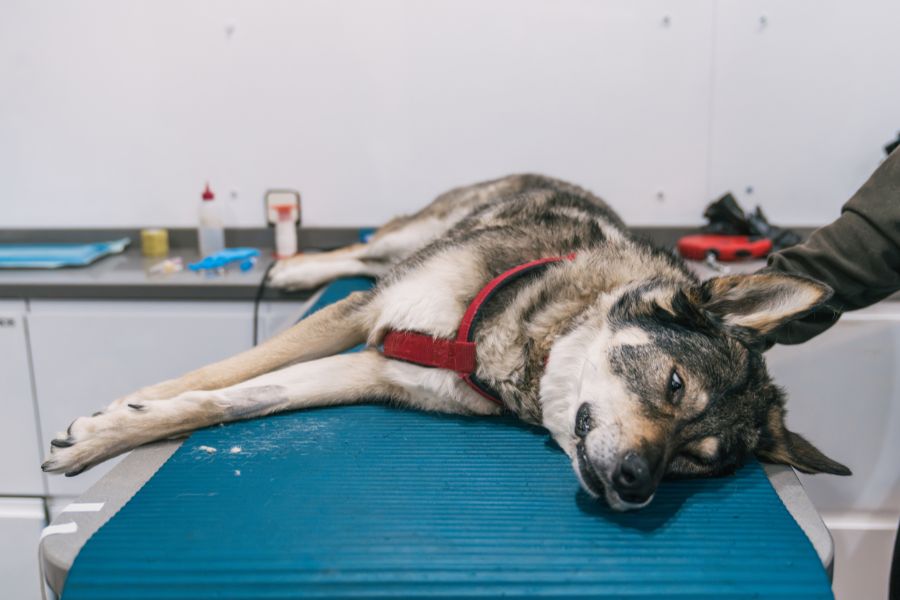
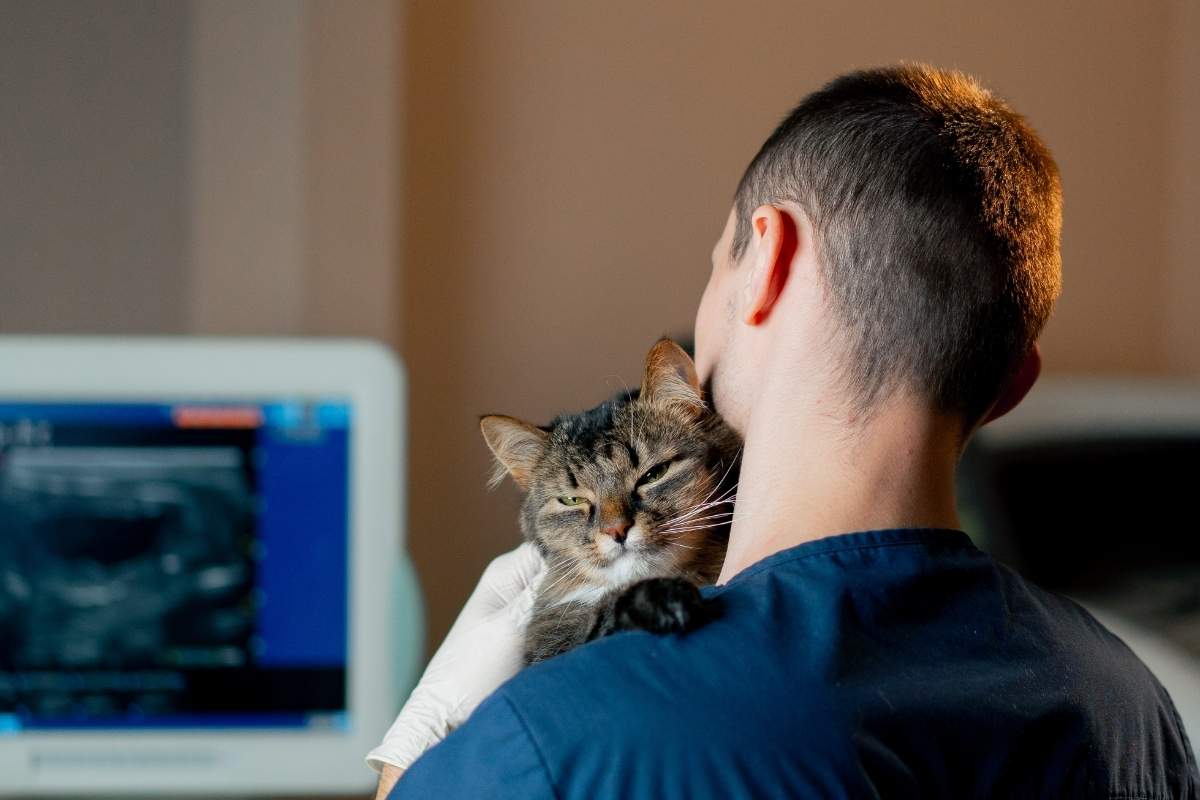
When your beloved pet feels unwell, discovering exactly what’s wrong becomes the crucial first step toward recovery. Unlike human patients who describe symptoms clearly, animals communicate through subtle behavioral changes that require expert interpretation. This reality makes diagnostic precision absolutely essential.
Understanding why accurate diagnosis is so important in veterinary medicine reveals the foundation supporting every successful treatment outcome. Without identifying conditions correctly, even well-intentioned treatments may fail or cause harm. Proper diagnosis transforms veterinary care from guesswork into science.
In this comprehensive guide, we’ll explore how accurate diagnostics shape treatment success and protect your pet’s wellbeing. Every pet deserves precise answers guiding their healthcare journey. Let’s discover why diagnostic accuracy matters so profoundly!
The Foundation of Effective Treatment:
Correct Identification Enables Proper Intervention
Accurate diagnosis determines which treatments will actually help your pet. Many conditions share similar symptoms while requiring vastly different therapeutic approaches.
Consider these overlapping symptom scenarios:
- Increased thirst: Could indicate diabetes, kidney disease, or Cushing’s syndrome.
- Vomiting: Might signal dietary indiscretion, obstruction, or organ failure.
- Limping: Could represent injury, infection, cancer, or autoimmune disease.
- Lethargy: May indicate pain, infection, anemia, or metabolic disorders.
Each underlying cause demands specific treatment. Misidentifying the problem leads to ineffective—or potentially harmful—interventions.
Avoiding Unnecessary Treatments
Accurate diagnosis protects pets from undergoing treatments they don’t actually need. Unnecessary medications carry side effect risks while wasting valuable time and resources.
How Veterinarians Achieve Diagnostic Accuracy:
Comprehensive Physical Examination
Every diagnostic journey begins with a thorough physical assessment. Skilled veterinarians detect subtle abnormalities through systematic examination techniques.
Physical examination reveals:
- Heart murmurs indicate cardiac problems
- Abdominal masses requiring investigation
- Lymph node enlargement suggesting systemic disease
- Neurological deficits pointing toward specific conditions
- Dental disease causes secondary health issues
These findings guide subsequent diagnostic testing toward appropriate directions.
Advanced Diagnostic Testing
Modern veterinary medicine offers sophisticated testing capabilities rivaling human healthcare. These tools provide objective information confirming or ruling out suspected conditions.
Essential diagnostic modalities include:
- Blood chemistry panels: Measuring organ function precisely.
- Complete blood counts: Evaluating cellular components thoroughly.
- Urinalysis: Assessing kidney function and detecting infections.
- Radiographs: Visualizing bones, organs, and chest contents.
- Ultrasound: Examining soft tissue structures in detail.
- Specialized testing: Hormone levels, infectious disease panels, and biopsies.
Combining examination findings with test results creates a comprehensive diagnostic picture.
The Art of Differential Diagnosis
Veterinarians systematically consider multiple possible explanations for presenting symptoms. This differential diagnosis process narrows possibilities through logical elimination.
The process involves:
- Listing all conditions potentially causing observed symptoms
- Ranking possibilities by likelihood based on signalment and history
- Selecting appropriate tests to confirm or exclude conditions
- Interpreting results within a clinical context
- Reaching a definitive diagnosis through evidence accumulation
This methodical approach prevents premature conclusions leading to misdiagnosis.
Consequences of Inaccurate Diagnosis:
Delayed Appropriate Treatment
Misdiagnosis postpones correct treatment while conditions potentially worsen. Time-sensitive diseases like cancer or organ failure progress during diagnostic delays.
Delayed treatment consequences include:
- Disease advancement beyond treatable stages
- Increased suffering during prolonged diagnostic periods
- Reduced treatment success rates
- Shortened survival times for serious conditions
Unnecessary Suffering and Expense
Incorrect diagnoses lead to treatments addressing the wrong problems, while underlying conditions continue causing discomfort. This scenario extends suffering while accumulating expenses.
Misdiagnosis impacts include:
- Medication side effects without therapeutic benefit
- Repeated veterinary visits seeking answers
- Mounting costs from ineffective treatments
- Emotional distress for concerned pet owners
- Prolonged pet discomfort from unaddressed problems
Investing in thorough initial diagnostics prevents these cascading negative outcomes.
The Value of Second Opinions
Sometimes complex cases benefit from additional perspectives. Seeking second opinions represents responsible pet ownership rather than disloyalty to primary veterinarians.
Second opinions prove valuable when:
- Diagnosis remains uncertain despite testing
- Treatment fails to produce the expected improvement
- Recommended interventions carry significant risks
- Owners desire confirmation before major decisions
- Specialty expertise might benefit complex cases
Most veterinarians welcome collaborative approaches that benefit patient outcomes.
Accuracy Leads to Peace of Mind
Ultimately, the goal of diagnostics is peace of mind. When you leave the clinic, you want to know that the plan is based on data, not assumptions. Whether the news is good (it’s just a bug!) or requires management (it’s early diabetes), knowing the truth allows you to make informed decisions.
When searching for “vets near me” online, it is crucial to look for a practice that emphasizes the importance of diagnostic capability. You want a team that refuses to guess when it comes to your pet’s life.
For pet owners seeking this level of precision and care, Alameda Veterinary Clinic utilizes state-of-the-art diagnostic technology to ensure every patient receives a tailored, accurate treatment plan. Their commitment to thorough investigation means your pet is always in safe hands.
Frequently Asked Questions
Q1: Why does my veterinarian recommend multiple tests for diagnosis?
Ans: Different tests provide different information types. Combining results creates comprehensive pictures enabling accurate diagnosis rather than guessing based on limited data.
Q2: How long should a diagnosis typically take?
Ans: Simple conditions may be diagnosed during single visits. Complex cases sometimes require multiple tests over days or weeks to reach definitive conclusions.
Q3: Can symptoms alone provide an accurate diagnosis?
Ans: Rarely. Many conditions share identical symptoms while requiring completely different treatments. Diagnostic testing distinguishes between possibilities that examination alone cannot differentiate.
Q4: What happens if the initial diagnosis proves incorrect?
Ans: Veterinarians reassess when treatments fail to produce expected results. Additional testing or specialist referral may be recommended to identify the correct diagnosis.
Q5: Are expensive diagnostic tests always necessary?
Ans: Not always, but appropriate testing prevents costlier misdiagnosis consequences. Veterinarians recommend tests based on clinical necessity rather than arbitrary protocols.
Q6: Should I seek emergency diagnosis or wait for regular appointments?
Ans: Severe symptoms warrant emergency evaluation. Mild symptoms typically allow scheduled appointments. When uncertain, call your veterinary clinic for guidance.