Your pet’s first visit to an animal hospital can feel overwhelming, especially if you’re not sure what will happen. Whether you’ve just adopted a puppy, kitten, or rescued pet, knowing what to expect at your first time at an animal hospital can make the experience smoother for both of you.
In this guide, we’ll walk you through every step of your visit, from check-in to follow-up care, so you feel confident and prepared when visiting an animal hospital.
Why Your Pet’s First Animal Hospital Visit Is So Important
The first visit sets the foundation for your pet’s lifelong health. A comprehensive wellness exam helps detect hidden issues early and establishes a relationship between you, your pet, and your veterinary team.
During your first time at an animal hospital, the veterinarian will:
- Establish a medical baseline
- Review vaccination history
- Check for parasites
- Discuss nutrition and lifestyle
- Answer your questions
Early detection of issues like heartworms, dental disease, or skin conditions can save money and prevent discomfort later.
The Physical Exam: What the Vet Checks
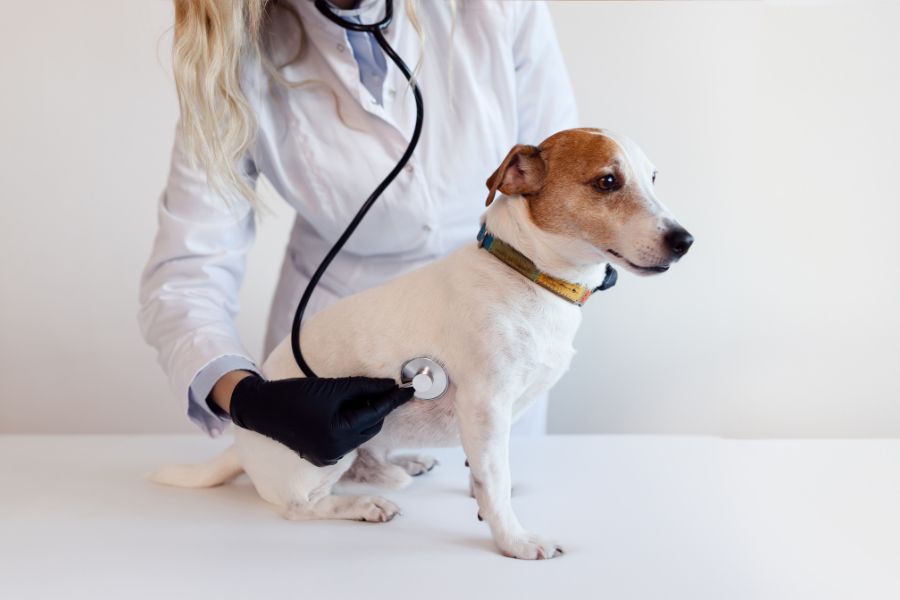
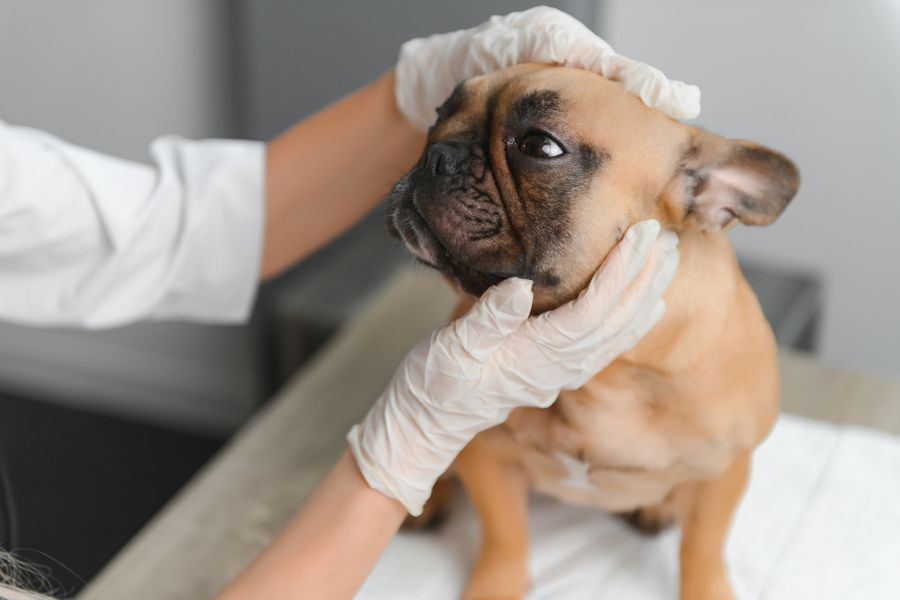
The physical exam is the most important part of your first time at an animal hospital. It’s thorough but gentle.
Your veterinarian will evaluate:
Weight and Body Condition
Monitoring weight early helps prevent obesity one of the most common health issues in Colorado pets.
- Eyes, Ears, and Nose: Checking for infections, discharge, or allergies.
- Heart and Lungs: Listening for murmurs or abnormal breathing patterns.
- Teeth and Gums: Dental health matters. Many pets show early signs of plaque by age 2.
- Skin and Coat: dry climate can cause skin irritation, flaking, or itching.
- Abdomen and Joints: The vet will gently feel for abnormalities and check joint mobility.
The exam typically lasts 20–30 minutes, depending on your pet’s age and health status.
Vaccinations and Preventive Care
Vaccines are often part of the first animal hospital visit, especially for puppies and kittens.
Core Vaccines for Dogs:
- Rabies
- Distemper
- Parvovirus
- Adenovirus
Core Vaccines for Cats:
- Rabies
- FVRCP (feline viral rhinotracheitis, calicivirus, panleukopenia)
Your veterinarian may also recommend:
- Bordetella (kennel cough)
- Leptospirosis
- Feline leukemia vaccine
- Heartworm prevention
- Flea and tick prevention
In Lakewood, CO, wildlife exposure near Bear Creek Lake Park increases the importance of rabies and parasite prevention.
Diagnostic Testing: Is It Necessary?
For young pets, baseline testing may include:
- Fecal exam (checks for intestinal parasites)
- Heartworm test (for dogs)
- FeLV/FIV test (for cats)
For adult or senior pets, bloodwork may be recommended to assess:
- Kidney function
- Liver function
- Blood sugar levels
- Thyroid levels
These tests provide valuable early detection of disease.
How to Prepare for Your First Time at an Animal Hospital
Preparation reduces stress for you and your pet.
Before the Visit:
- Bring medical records
- Bring a stool sample (if requested)
- Write down questions
- Keep pets in a secure carrier or on a leash
- Avoid feeding large meals before the appointment
For Nervous Pets:
- Take a short walk beforehand
- Bring a favorite blanket
- Use a pheromone spray
- Practice short car rides before the visit
If you’re traveling from nearby neighborhoods like Applewood or Green Mountain, plan extra time for traffic to avoid rushing.
How to Build a Long-Term Relationship With Your Animal Hospital
Choosing the right animal hospital isn’t just about one visit; it’s about long-term trust.
Look for:
- Clear communication
- Transparent pricing
- Preventive care focus
- Friendly staff
At Alameda Veterinary Clinic, we believe education is just as important as treatment. Our team proudly serves pet families throughout Lakewood, including Belmar, Green Mountain, and surrounding communities.
When to Schedule the Next Appointment
After your first time at an animal hospital in Lakewood, your veterinarian may recommend:
- Booster vaccines in 3–4 weeks (for puppies/kittens)
- Annual wellness exam
- Biannual exams for senior pets
- Dental cleaning evaluation
- Spay/neuter consultation
Staying on schedule ensures your pet stays healthy year-round.
Conclusion
Your first time at an animal hospital doesn’t have to be stressful. With the right preparation and understanding of what to expect, the visit becomes a positive step toward lifelong health for your pet. From wellness exams to vaccinations and preventive care, every part of the appointment is designed to protect your furry family member.
If you’re looking for compassionate veterinary care in Lakewood, schedule your pet’s first visit at Alameda Veterinary Clinic today and experience personalized, attentive care close to home.
FAQs
Q1: What should I bring to my pet’s first animal hospital visit?
Bring vaccination records, adoption paperwork, a stool sample if requested, and a list of questions about your pet’s health.
Q2: How long does a first-time animal hospital appointment take?
Most first visits last 30–60 minutes, depending on exams, vaccines, and discussions needed.
Q3: Are vaccinations required at the first visit?
If your pet is due for vaccines, they are often given during the first appointment to ensure protection.
Q4: How can I calm my pet before visiting an animal hospital?
Use a secure carrier or leash, bring comfort items, and allow time for a relaxed arrival to reduce stress.
Q5: How often should my pet visit an animal hospital?
Most pets need at least one annual wellness visit, while puppies, kittens, and senior pets may need more frequent care.