
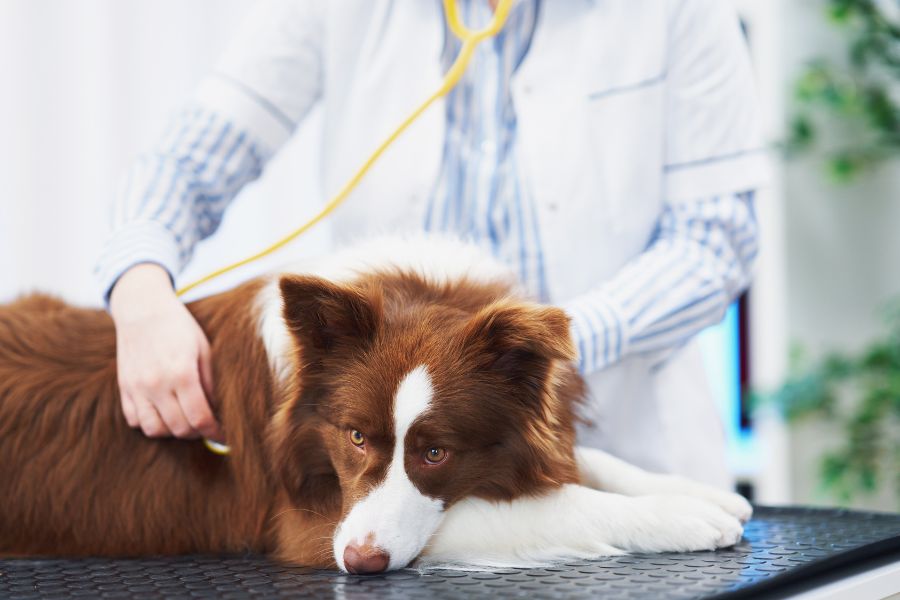
You notice your puppy is growing faster than you expected, or your senior cat seems a little slower on the stairs. You wonder: when was the last time we saw a vet? If that question gives you pause, you are not alone. One of the most common things pet owners ask is how often their pet actually needs a vet visit. The honest answer is: it depends on where your pet is in life. At Alameda Veterinary Clinic, we see pets at every stage, from wiggly eight-week-old puppies to distinguished twelve-year-old cats, and the care each one needs looks quite different. This guide walks you through what to expect at every phase of your pet’s life, and how to build a visit schedule that keeps them healthy for years to come.
Why Life Stage Matters for Vet Visit Frequency?
Pets do not age at the same rate as humans, and their health needs shift significantly as they grow. A six-month-old kitten and a six-year-old cat may look like they are both doing fine, but one needs a series of vaccines and parasite prevention, while the other is ready for a full wellness panel to catch anything brewing under the surface.
The goal of scheduling regular pet wellness exams around life stages is not just to treat problems as they come up. It is to stay ahead of them. Preventive care is almost always less expensive and less stressful than emergency care. When a veterinarian sees your pet consistently, they build a baseline picture of what normal looks like for that individual animal. That makes early detection of disease or behavioral change much more reliable.
Think of it this way: your pet cannot tell you when something feels off. Routine vet visits are the closest thing to a translator between how your pet feels and what you actually know.
Puppies and Kittens (0 to 6 Months): Frequent Visits Build a Strong Foundation
The first few months of a pet’s life are the most visit-intensive, and for good reason. Young animals need a series of core vaccinations spaced several weeks apart, parasite screenings, and a physical examination to confirm healthy development. Most puppies and kittens benefit from a visit every 3 to 4 weeks between the ages of 8 weeks and 16 weeks.
During these early visits, your vet will typically:
- Administer core vaccines such as distemper, parvovirus, and rabies for dogs, and FVRCP and rabies for cats
- Screen for internal and external parasites, including roundworms, hookworms, and fleas
- Discuss spay or neuter timing based on breed and size
- Assess weight, dental development, and overall growth
- Start heartworm prevention for puppies and flea and tick prevention for both species
Take a puppy named Biscuit as an example. He came in at 8 weeks with a clean bill of health. By the time he was 16 weeks old, he had completed his vaccine series, tested negative for parasites, and his owner had a clear schedule for his first annual pet wellness exam at the one-year mark. That early groundwork made every visit after that smoother and less stressful for both of them.
Young Adult Pets (1 to 3 Years): Annual Visits Keep Things on Track
Once your pet has cleared the puppy or kitten stage, the visit frequency typically settles into once a year. This annual vet visit is not just about updating vaccines. It is a head-to-toe check of everything from dental health and body weight to heart sounds and joint mobility.
Many pet owners skip the annual visit when their pet seems healthy. That is understandable, but it is worth knowing that some conditions, including dental disease, heart murmurs, and early kidney changes, produce no obvious symptoms until they are significantly advanced. A once-yearly physical examination is often the only way to catch these early.
For young adult dogs, this is also a good time to talk about lifestyle factors: exercise habits, diet quality, weight management, and any behavioral concerns. Cats in this age range often benefit from a conversation about indoor versus outdoor enrichment, since boredom-related stress can actually affect physical health over time.
Middle-Aged Pets (4 to 7 Years): Watching for Subtle Shifts
The middle years are where many pets start to show the earliest signs of age-related changes. Larger dog breeds age faster than smaller ones, so a 5-year-old Great Dane is already approaching senior status, while a 5-year-old Chihuahua is still solidly in middle age. Most cats hit middle age around 7 years.
Annual vet visits remain the standard recommendation for this group, but the content of the exam expands. Your veterinarian may suggest baseline bloodwork to assess organ function, even if your pet seems perfectly fine. This gives you a reference point for future comparisons. Dental cleanings often become more relevant during this stage as tartar buildup accelerates.
Watch for these subtle signs that may warrant an earlier visit between annual checkups:
- Gradual weight changes in either direction
- Increased water intake or more frequent urination
- Stiffness when getting up from rest, especially in the morning
- Changes in appetite, energy, or coat condition
- New lumps, bumps, or skin changes
None of these automatically signals a serious problem. But a veterinarian is the right person to help you figure out whether what you are seeing is normal variation or a reason to investigate further.
Senior Pets (8 Years and Older): Twice-Yearly Visits Are Worth It
Senior pets benefit the most from increased veterinary attention. Most veterinarians recommend moving to twice-yearly visits for dogs and cats over the age of 8, with the understanding that six months is a long time in a senior animal’s life. Conditions like hyperthyroidism in cats, arthritis in dogs, and chronic kidney disease in both species can develop or worsen quickly at this stage.
Each semi-annual visit for a senior pet typically includes a comprehensive physical examination, updated bloodwork and urinalysis, blood pressure screening, and a discussion of pain management if arthritis or mobility issues are present. Dental health remains important, and in some cases more frequent dental cleanings are recommended.
This is also a season of life where quality of life conversations become part of the care plan. A good veterinarian is not just treating a condition. They are helping you and your pet navigate aging with as much comfort and dignity as possible. Those twice-yearly touchpoints are not just medical appointments. They are partnerships.
What Pet Owners Can Expect at a Clinic?
Every pet wellness exam at our clinic is built around your individual animal, not a checklist. Before the physical examination begins, we spend a few minutes talking with you about what you have noticed at home, any changes in routine, and what questions are on your mind. You know your pet better than anyone, and that context shapes how we approach each visit.
After the physical exam, we review findings with you in plain language. If additional diagnostics are recommended, we explain what we are looking for and why. If everything looks good, we will send you home with a clear picture of what is working and what to keep an eye on before the next visit.
We also work with you on realistic scheduling. Life is busy, and we understand that annual vet visits can feel like one more thing on the list. Our team is happy to send reminders, help you plan visits around your schedule, and discuss what matters most if you are managing a tight budget. Preventive care is always the most cost-effective path, and we will help you prioritize what your pet needs most at each life stage.
Your Pet’s Health Is Worth the Trip
The bottom line is this: puppies and kittens need visits every few weeks in their first months, young adults do well with once-yearly care, middle-aged pets benefit from expanding what those annual exams cover, and senior animals deserve the extra attention that comes with twice-yearly visits. Each stage has its own rhythm, and staying consistent with that rhythm is one of the most meaningful things you can do for your pet’s long-term well-being.
If you are unsure where your pet falls or if it has simply been a while since its last checkup, that is okay. Reach out to a trusted veterinary clinic in Lakewood like Alameda Veterinary Clinic to schedule a wellness exam, and let us help you build a care plan that fits your pet’s life stage and your family’s needs. We are here to make every visit as easy and reassuring as possible.
Frequently Asked Questions
Q1: What is a pet wellness exam?
Ans: A pet wellness exam is a routine physical checkup performed by a veterinarian to assess your pet’s overall health. It typically includes evaluating body weight, dental health, heart and lung function, skin and coat condition, and any vaccines or parasite prevention that are due. The goal is to catch potential problems early, before they become harder or more expensive to treat.
Q2: How often should I take my dog to the vet each year?
Ans: For most adult dogs in good health, once a year is the standard recommendation. Puppies need more frequent visits during their first few months to complete vaccines and parasite screenings. Senior dogs, generally those over 8 years old or large breeds over 6, benefit from twice-yearly visits to monitor age-related changes more closely.
Q3: How often should cats see a veterinarian?
Ans: Adult cats should visit a veterinarian at least once a year for a wellness exam and any recommended vaccines. Because cats are skilled at hiding signs of illness, annual visits are especially important for catching conditions like hyperthyroidism, kidney disease, and dental problems early. Cats over the age of 8 should move to twice-yearly visits to keep pace with age-related health changes.
Q4: How much does a routine vet visit cost?
Ans: The cost of a routine veterinary checkup varies by location, clinic, and what services are included. A basic wellness exam typically ranges from $50 to $100 before vaccines, bloodwork, or other diagnostics. Investing in regular preventive care usually costs far less over time than treating a condition that goes undetected for months or years. Many clinics also offer wellness plans that bundle common services at a reduced rate.
Q5: When should I take my pet to the vet between scheduled visits?
Ans: Bring your pet in between scheduled visits any time you notice changes that concern you, including significant weight loss or gain, vomiting or diarrhea lasting more than 24 hours, limping, labored breathing, excessive thirst, new lumps, or a noticeable drop in energy. Trust your instincts. If something feels off, it is always better to have your pet evaluated sooner rather than waiting until the next annual visit.