
Your pet may look healthy, playful, and completely normal while an early health problem is developing inside the body. That is why routine veterinary care sometimes involves more than a physical examination. Diagnostic tests for pets can give your veterinarian information about blood cells, organ function, hydration, urine, stool, skin changes, and internal organs. Alameda Veterinary Clinic in Lakewood, CO, offers a range of in-house laboratory testing and diagnostic imaging to help identify health concerns and guide treatment. While not every pet needs all six tests every year, knowing what they are and why they may be recommended can help you make informed decisions about your pet’s care.
What Diagnostic Tests Should Pets Have Each Year?
There is no single testing schedule that is right for every dog or cat. Your veterinarian chooses diagnostic tests based on your pet’s age, health history, symptoms, lifestyle, physical examination, and risk factors.
Six important diagnostic options available through Alameda Veterinary Clinic include:
- Blood panels
- Complete blood count (CBC)
- Electrolyte testing
- Urinalysis and fecal testing
- Cytology
- Ultrasound
These tests provide different types of information. Some look at blood cells, others evaluate hydration or organ function, and imaging can help your veterinarian see structures inside the body that cannot be evaluated fully during a physical examination.
For a healthy adult pet, some tests may be recommended as routine screening, while others may only be appropriate when symptoms or examination findings raise a concern.
1. Blood Panels Can Reveal Hidden Health Changes
A blood panel can provide valuable information about your pet’s internal health. It may be recommended during a wellness visit, when your pet is sick, or before a procedure.
Blood testing can help your veterinarian evaluate organ function and identify changes that may not cause obvious symptoms yet. Alameda Veterinary Clinic performs blood panels for sick pets and pre-surgical evaluations, with many routine tests available through its in-house laboratory.
Bloodwork may be especially useful when your pet develops changes such as:
- Reduced appetite
- Increased thirst
- Changes in urination
- Weight loss
- Vomiting or diarrhea
- Low energy
- Unexplained weakness
- Changes associated with aging
One reason routine blood testing can be helpful is that your veterinarian can compare newer results with previous results. A change over time may provide an important clue, even when your pet still appears comfortable at home.
2. A Complete Blood Count Checks Your Pet’s Blood Cells
A complete blood count, commonly called a CBC, looks at different types of blood cells. These results can help your veterinarian assess signs of infection, anemia, and immune system response.
Red blood cells carry oxygen throughout the body, while white blood cells play important roles in immune defense. Platelets are involved in normal blood clotting.
A CBC can therefore provide useful information when your pet has symptoms such as weakness, pale gums, fever, inflammation, or other unexplained changes.
It can also be useful before surgery. Even when a pet appears healthy during a physical examination, bloodwork may reveal an underlying concern that could affect how the veterinary team approaches anesthesia or recovery.
Routine screening does not mean that every pet needs a CBC at every visit. Your veterinarian can determine when it makes sense based on your pet’s age, medical history, and current condition.
3. Electrolyte Testing Helps Assess Hydration and Body Function
Electrolytes are minerals that help support important body processes. Changes in electrolyte levels can occur with dehydration, vomiting, diarrhea, kidney problems, and other medical conditions.
Alameda Veterinary Clinic offers electrolyte testing to help assess hydration and organ function. This information can be especially useful when a pet is sick or has experienced fluid loss.
Your veterinarian may consider electrolyte testing when your pet has:
- Repeated vomiting
- Ongoing diarrhea
- Poor appetite
- Significant dehydration
- Weakness or unusual tiredness
- Certain kidney or internal health concerns
Electrolyte results are often interpreted alongside other blood tests rather than on their own. Looking at several pieces of information together gives your veterinarian a clearer picture of what may be happening inside your pet.
4. Urinalysis and Fecal Testing Look Beyond the Blood
Urine and stool can provide valuable information about your pet’s health. A urinalysis evaluates characteristics of urine that may provide clues about hydration, urinary health, kidney function, and other conditions.
Fecal testing, meanwhile, can help identify certain intestinal parasites and other digestive concerns. Alameda Veterinary Clinic lists both urinalysis and fecal testing among its in-house laboratory services.
These tests may be recommended as part of routine health monitoring or when your pet develops symptoms such as:
- Changes in urination
- Increased thirst
- Diarrhea
- Weight loss
- Changes in stool
- Digestive upset
- Unexplained changes in appetite
Your pet’s stool may look normal while a microscopic problem is present, which is one reason testing can provide information that observation alone cannot.
For senior pets or animals with ongoing health concerns, your veterinarian may recommend urine testing more regularly based on their individual needs.
5. Cytology Can Help Investigate Skin, Ear, and Growth Concerns
Cytology involves examining cells under a microscope. It can be useful when your veterinarian needs more information about a skin problem, ear issue, or unusual growth.
Alameda Veterinary Clinic offers cytology examinations for concerns such as skin problems, ear infections, and abnormal growths.
For example, imagine your dog develops a new irritated patch on the skin. The area may look red and inflamed, but several different problems can cause similar visible symptoms. A cytology sample can give your veterinarian additional information to help determine what is contributing to the problem.
Cytology can also be useful when a veterinarian notices an abnormal lump or growth. It may provide information about the cells present and help guide decisions about whether additional testing is appropriate.
This is a good example of why diagnostic testing is not only for pets that appear seriously ill. A small change that seems minor at home may deserve a closer look.
6. Ultrasound Provides a Look Inside Your Pet’s Body
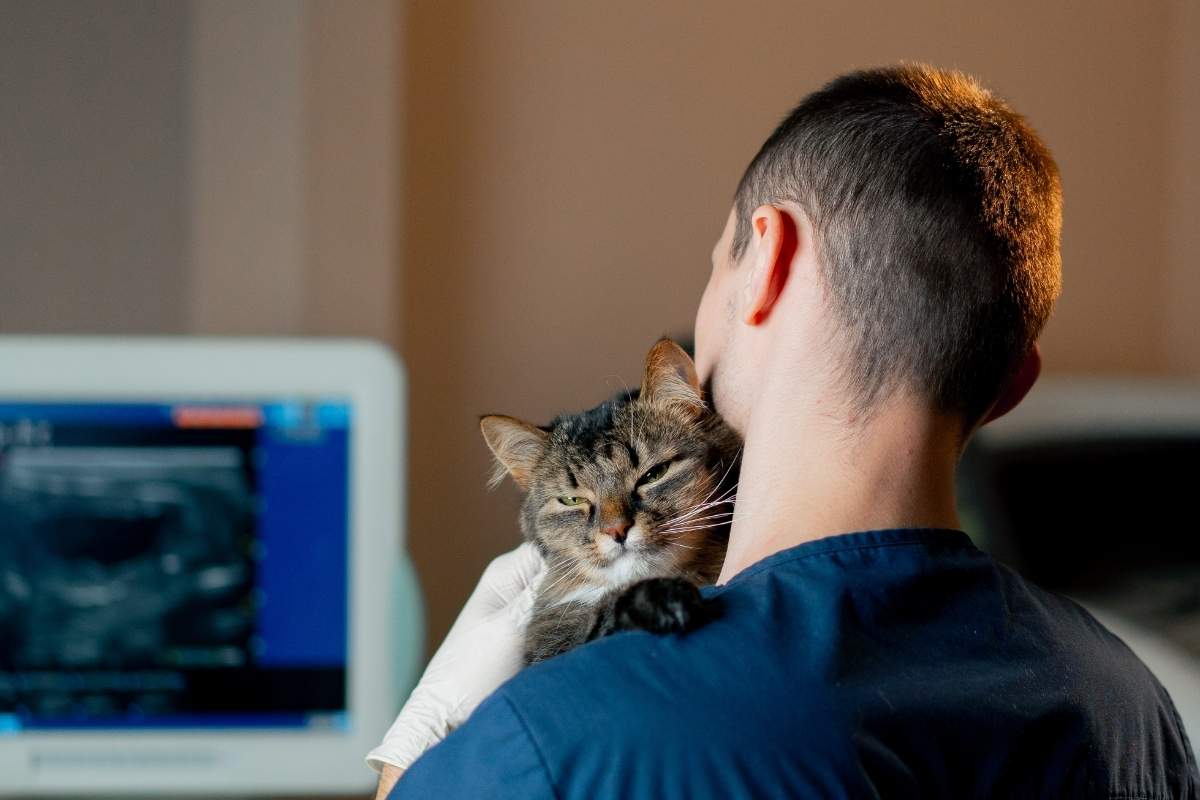
Sometimes blood and urine tests are not enough to explain what is happening. Ultrasound allows a veterinarian to create real-time images of internal structures using sound waves.
Alameda Veterinary Clinic uses ultrasound to evaluate areas such as the liver, kidneys, bladder, gallbladder, spleen, digestive tract, and other abdominal structures. It can also be used for pregnancy evaluation and certain masses or fluid-related concerns.
Ultrasound may be recommended when a pet has symptoms such as:
- Unexplained vomiting
- Persistent digestive problems
- Abdominal discomfort
- Changes in appetite or weight
- Suspected internal abnormalities
- Certain urinary concerns
- An abnormal finding on another test
Ultrasound is non-invasive, and most pets tolerate the procedure well. Mild sedation may sometimes be used if a pet needs help staying calm and comfortable during the examination.
Why Might a Healthy Pet Need Diagnostic Testing?
A pet can look healthy while an early health change is developing. Some conditions do not produce obvious symptoms until they have progressed.
That is one reason veterinarians may recommend diagnostic testing during wellness care, particularly as pets get older. Testing can establish baseline information that may be useful for comparison during future visits.
However, routine testing should not become a checklist that is identical for every animal. A young, healthy pet may have different testing needs from a senior pet with a history of kidney problems.
Your veterinarian may consider:
- Your pet’s age
- Previous medical history
- Current medications
- Physical examination findings
- Appetite and weight changes
- Drinking and urination habits
- Digestive symptoms
- Lifestyle and environmental exposure
- Upcoming procedures
The goal is targeted testing that answers useful health questions, rather than ordering tests simply because they are available.
How Are Diagnostic Tests Used When a Pet Is Sick?
Diagnostic testing becomes particularly valuable when your pet develops symptoms that cannot be explained by a physical examination alone. The veterinarian can use test results to narrow down possible causes and decide what should happen next.
A Hypothetical Case Example
Consider an older dog whose family notices gradual weight loss and lower energy but no major change in appetite. During the examination, the veterinarian recommends bloodwork and a urinalysis to look for internal changes that may not be visible from the outside. The results provide additional clues and help determine which next steps are appropriate.
This illustrates how different tests can work together. One test rarely tells the entire story, but several carefully selected pieces of information can help your veterinarian build a clearer picture.
Alameda Veterinary Clinic notes that its in-house laboratory allows many routine tests to be processed quickly, while more specialized testing can be sent to external reference laboratories when needed.
What Happens Before and After Diagnostic Testing?
Before testing, your veterinarian will explain why a particular test is being recommended and what information it may provide. Some tests require a simple sample, while imaging involves a different process.
After testing, the results are interpreted in context. A number outside a reference range does not automatically mean your pet has a serious disease, just as a normal result does not always rule out every possible problem.
Your veterinarian considers the complete picture, including:
- Your pet’s symptoms
- Physical examination findings
- Medical history
- Test results
- Age and lifestyle
- Previous laboratory or imaging results
Many routine laboratory tests at Alameda Veterinary Clinic can be processed in-house, with some results available the same day. Specialized tests may take longer when they need to be evaluated by an outside laboratory.
Are Diagnostic Tests Safe for Pets?
Most routine diagnostic tests are designed to provide useful information with minimal stress. Blood, urine, and stool testing require samples, while cytology uses collected cells for microscopic examination.
Ultrasound is non-invasive and does not use radiation. Alameda Veterinary Clinic notes that most pets tolerate ultrasound well, although mild sedation may sometimes be used to keep a pet comfortable and still.
Your veterinarian will consider your pet’s comfort and safety when deciding which diagnostic approach is appropriate. If you have concerns about a test, ask what it involves, why it is recommended, and what the results could tell you.
Understanding the purpose of testing can make the process less stressful for both you and your pet.
How Often Should Your Pet Have Diagnostic Testing?
Not every pet needs all six diagnostic tests every year. Testing frequency should be based on your pet’s individual health needs, age, medical history, symptoms, and your veterinarian’s recommendations.
For some pets, routine blood or urine screening may be useful during wellness care. Other tests, such as cytology or ultrasound, are generally performed when a specific concern needs further investigation.
The important point is to avoid viewing diagnostic testing as an annual checklist. Instead, think of it as a set of tools your veterinarian can use when they need more information about your pet’s health.
Alameda Veterinary Clinic in Lakewood, CO, offers in-house laboratory testing and diagnostic imaging to help evaluate pets during routine care and when health concerns arise.
What Should Pet Owners Remember About Diagnostic Testing?
Pet diagnostic tests can reveal information that a physical examination alone cannot provide. Blood panels, CBCs, electrolyte testing, urinalysis and fecal testing, cytology, and ultrasound each serve different purposes and may be valuable at different points in your pet’s life.
The most important takeaway is that your pet does not necessarily need every test every year. Instead, your veterinarian should choose testing based on your pet’s individual needs and the questions that need to be answered.
If you are searching for vet near you then in Alameda Veterinary Clinic in Lakewood, CO, many routine laboratory tests are available in-house, allowing the veterinary team to obtain useful information efficiently when appropriate. If your pet has unexplained symptoms, changes in behavior, appetite, weight, or bathroom habits, diagnostic testing may help your veterinarian understand what is happening and choose the right next step.
FAQs
Q1: What are the most important diagnostic tests for pets?
A: Important diagnostic options include blood panels, CBC testing, electrolyte testing, urinalysis and fecal testing, cytology, and ultrasound. Your veterinarian will determine which tests are appropriate based on your pet’s age, health, symptoms, and medical history.
Q2: Does my pet need diagnostic testing every year?
A: Not necessarily. Some pets may benefit from routine screening during wellness visits, while other tests are recommended only when a specific concern develops. Your veterinarian can create a testing schedule based on your pet’s individual needs.
Q3: What can a CBC tell me about my pet?
A: A CBC evaluates different types of blood cells and can provide information related to infection, anemia, and immune response. It may also be useful before certain procedures to help assess your pet’s overall health.
Q4: How much does diagnostic testing for pets cost?
A: Costs vary depending on the type of test, whether testing is performed in-house, and whether additional or specialized testing is needed. Ask your veterinary team which tests are recommended and what each one is intended to evaluate.
Q5: When should my pet have diagnostic testing?
A: Diagnostic testing may be recommended during routine wellness care or when your pet develops symptoms such as weight loss, vomiting, diarrhea, appetite changes, increased thirst, weakness, or other unusual changes. Your veterinarian can determine which test is appropriate for the situation.