
We often wish our pets could talk to us. If they could, they would tell us when their tummy hurts, when a tooth is loose, or when their joints feel a little stiff on a rainy morning. Unfortunately, our furry family members are experts at hiding discomfort—a survival instinct left over from their wild ancestors.
Because they cannot vocalize their needs, it is up to us to be their health advocates. This is where annual pet exams become the most important date on your calendar. Far more than just a quick visit for vaccines, these comprehensive check-ups are a deep dive into your pet’s overall well-being. They provide a baseline for health and offer the best opportunity to catch hidden issues before they become major emergencies.
The “Nose-to-Tail” Evaluation: What Actually Happens?
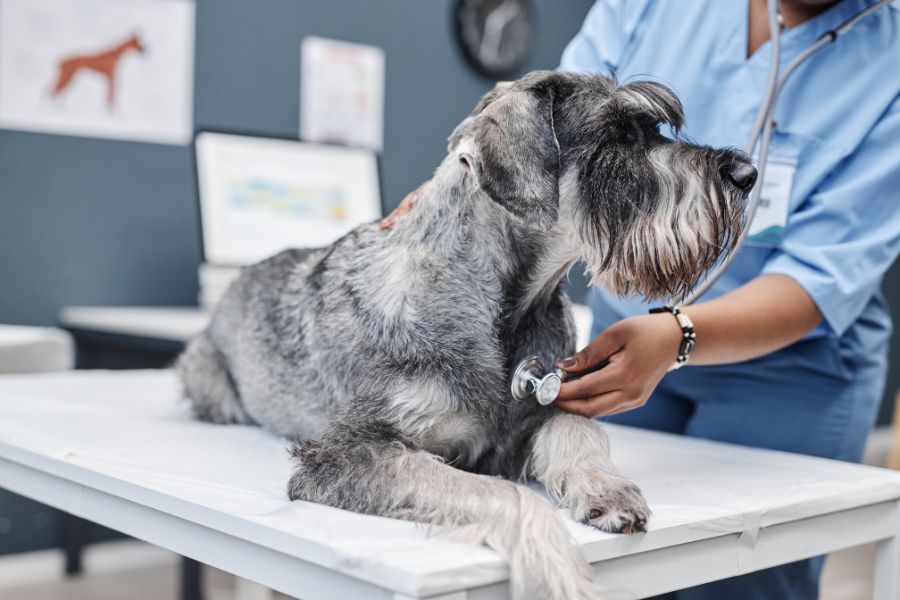
When you walk into the exam room, it might look like the vet is just petting your dog or cat. In reality, they are performing a rigorous medical investigation known as a “head-to-tail” evaluation.
During this physical assessment, your veterinary team is checking every system in the body:
- Vital Signs: Checking temperature, pulse, and respiration rates to ensure the heart and lungs are functioning correctly.
- Dental Condition: Lifting the lip to check for tartar, gingivitis, or broken teeth, which are gateways to systemic infection.
- Skin and Coat: Looking for parasites, lumps, bumps, or dryness that could indicate allergies or hormonal imbalances.
- Abdominal Palpation: Gently feeling the belly to check for organ size, masses, or signs of pain.
- Weight Assessment: Even a few extra pounds can strain joints and shorten lifespan, so monitoring weight trends is critical.
Beyond the Physical: The Lifestyle Discussion
A great wellness exam isn’t just about the body; it is about the lifestyle. Your vet will take the time to discuss your pet’s daily routine, including their diet, exercise habits, and behavior.
This conversation provides valuable insight into your pet’s unique needs. For example, a change in behavior—like a house-trained dog suddenly having accidents—might not be “acting out,” but rather a symptom of a urinary tract infection or diabetes. Discussing nutrition allows the vet to recommend diet adjustments that can prevent obesity and support long-term vitality.
Why Prevention is Better Than Cure
The core philosophy of a wellness exam is prevention. Treating a disease after it has advanced is often difficult, expensive, and stressful for the pet. Preventing it—or catching it early—is always the better path.
Routine check-ups allow veterinarians to:
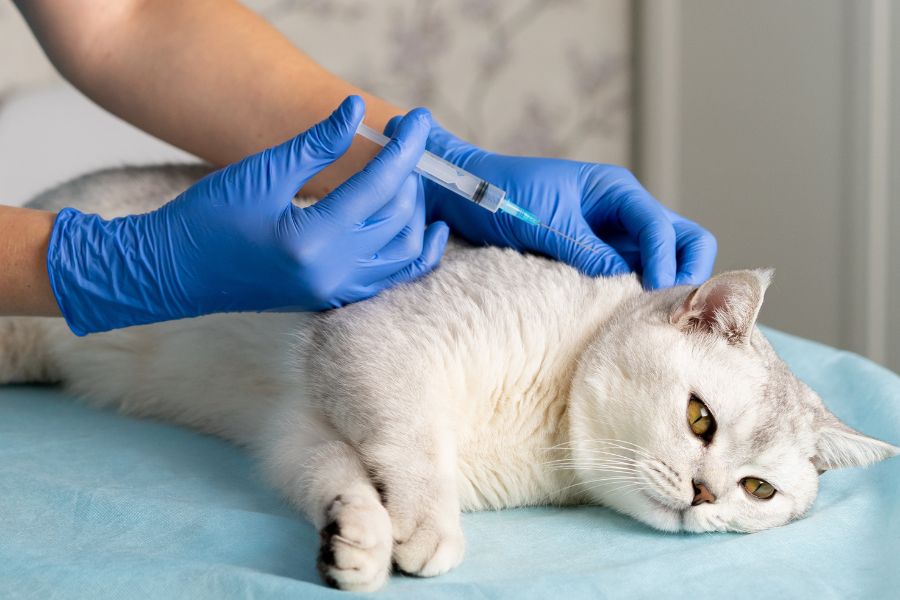
- Update Vaccinations: tailored to your pet’s lifestyle to protect against deadly viruses.
- Ensure Parasite Protection: Confirming that flea, tick, and heartworm preventatives are working effectively.
- Establish a Baseline: Knowing what is “normal” for your pet today makes it much easier to spot what is “abnormal” in the future.
Tailored Care for Every Stage of Life
A puppy has vastly different needs than a geriatric cat. A standardized approach doesn’t work in veterinary medicine. Your vet customizes the exam based on the specific life stage of your companion.
Puppies and Kittens
These visits set the foundation for a healthy life. The focus is on proper growth rates, starting the vaccination series, and providing behavioral guidance to prevent future anxiety or aggression issues.
Adult Pets
For the prime of life, the goal is maintenance. Regular exams help maintain optimal health, monitor weight to prevent obesity-related diseases, and detect early signs of illness that can creep up silently.
Senior Pets
As pets age, their bodies change rapidly. Older pets benefit significantly from more frequent visits—often semi-annual—to identify and manage age-related conditions such as arthritis, dental disease, and organ changes. Early management of these issues can add quality years to your pet’s life.
Your Partner in Pet Health
Finding a veterinary team that views you as a partner is essential. You want a clinic that listens to your concerns and explains the “why” behind every recommendation.
For comprehensive pet wellness exams in Lakewood, it is important to choose a facility that believes in promoting a lifetime of health and happiness. A thorough exam should leave you feeling empowered, knowledgeable, and confident in your pet’s care plan.
At Alameda Veterinary Clinic, the team is dedicated to providing this level of personalized attention. By combining state-of-the-art diagnostics with compassionate care, they ensure that your best friend stays healthy, happy, and active for years to come.
Frequently Asked Questions
Q1: How often does my pet really need an exam?
Ans: Generally, adult pets should be seen annually. However, because pets age faster than humans, senior pets and those with chronic conditions often benefit from semi-annual exams (every six months) to monitor changes closely.
Q2: My pet lives indoors; do they still need parasite prevention?
Ans: Yes. Mosquitoes (which carry heartworm) frequently enter homes, and fleas can hitch a ride on your clothes or shoes. Indoor pets are not immune to parasites and need year-round protection.
Q3: Does a wellness exam include blood work?
Ans: A physical exam covers the outside, but blood work checks the inside. While not always automatically included in the base fee, screening blood work is highly recommended, especially for seniors, to check liver and kidney function.
Q4: What should I bring to my pet’s annual exam?
Ans: It is helpful to bring a fresh stool sample (for parasite testing), a list of current medications or supplements, and the brand name of the food they eat. Also, bring a list of any questions or behavioral changes you’ve noticed.
Q5: Why does the vet check my pet’s teeth every time?
Ans: Dental disease is the most common condition in adult pets. Bacteria from the mouth can travel to the heart, liver, and kidneys. Checking the teeth allows for early intervention before serious systemic damage occurs.
Q6: Will the exam hurt my pet?
Ans: No. The exam is non-invasive. While some pets may be nervous, veterinarians use low-stress handling techniques and treats to make the experience as positive and comfortable as possible.