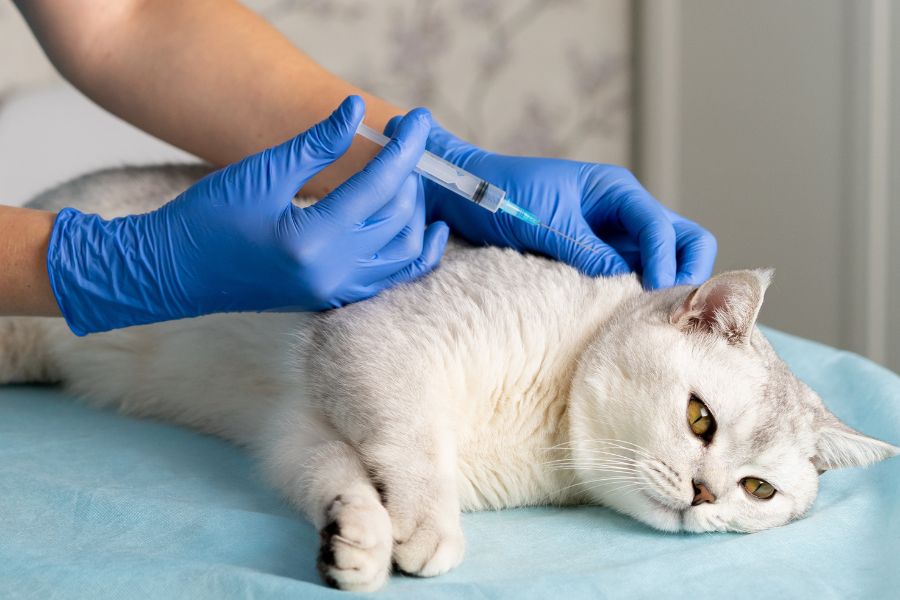

Picture this: your dog seems perfectly healthy, so you skip the annual exam to save money. A few months later, you notice something is off, and what could have been caught early turns into a much bigger problem. Preventive pet care exists for exactly this reason. A pet wellness plan is designed to make routine, proactive care more affordable and consistent, so small health issues never get the chance to become serious ones. At Alameda Veterinary Clinic in Lakewood, CO, we see firsthand how much of a difference regular preventive visits make in a pet’s quality of life. In this guide, you will learn exactly what wellness plans cover, how they compare to pet insurance, what they cost, and whether one makes sense for your pet.
What Is a Pet Wellness Plan and What Does It Cover?
A pet wellness plan is a prepaid or subscription-based program that bundles routine veterinary services into a single, predictable annual or monthly cost. Think of it as a maintenance package for your pet, similar to a gym membership or a car service plan.
Most plans cover the core building blocks of preventive pet care, including:
- Annual wellness exams
- Core vaccinations and boosters
- Flea, tick, and heartworm prevention
- Routine bloodwork and urinalysis
- Pet dental cleaning (in some plans)
- Fecal parasite screenings
- Nail trims and ear cleanings
Coverage varies by provider and plan tier, so it is worth reviewing exactly what is included before signing up. Some clinics offer separate plans for puppies and kittens versus adult or senior pets, since younger animals need more frequent boosters and older pets may need more diagnostic testing.
Pet Wellness Plan vs. Pet Health Insurance: What Is the Difference?
This is one of the most common points of confusion for pet owners, and it is an important one to clear up. A pet wellness plan and pet health insurance serve completely different purposes, and they are not interchangeable.
Pet insurance is designed to help with unexpected, high-cost events. If your cat breaks a leg, develops cancer, or needs emergency surgery, pet insurance can offset a large portion of those costs. You pay a monthly premium, and when something goes wrong, you submit a claim for reimbursement.
A wellness plan, by contrast, covers the predictable, routine care your pet needs every year. It does not kick in when things go wrong; it helps prevent things from going wrong in the first place. Many pet owners find the most value in having both: insurance as a safety net for emergencies, and a wellness plan to keep annual vet wellness exams and preventive treatments manageable.
The Real Benefits of a Pet Wellness Plan for Your Pet’s Health
The financial side of wellness plans often gets the most attention, but the health benefits go far deeper than cost savings. Here is what consistent preventive pet care actually does for your animal:
- Early disease detection: Routine bloodwork and exams catch kidney disease, diabetes, thyroid conditions, and other issues before symptoms appear. Early intervention almost always means better outcomes and lower treatment costs.
- Vaccine compliance: Staying current on routine pet vaccinations protects against serious, preventable diseases like parvovirus, distemper, and rabies.
- Parasite control: Consistent flea, tick, and heartworm prevention protects both your pet and your household. Missing even one month of prevention can leave your pet exposed.
- Dental health: Pet dental cleaning is one of the most overlooked areas of pet care. Dental disease is present in over 80 percent of dogs and cats by age three and can lead to heart, kidney, and liver problems if untreated.
- Stronger vet relationship: When your vet sees your pet every year, they build a baseline understanding of what is normal for that individual animal, making it much easier to spot when something is off.
Take a real-world example: a three-year-old Labrador comes in for a routine annual vet wellness exam covered under a wellness plan. Bloodwork flags mildly elevated liver enzymes. The owner had no idea anything was wrong. With early monitoring and dietary changes, the issue is managed before it becomes a serious liver condition. Without that routine visit, the problem may not have surfaced until it was far harder to treat.
Is a Pet Wellness Plan Actually Worth the Cost?
The honest answer is: it depends on how often you actually use it. For pet owners who commit to annual exams and keep up with preventive treatments, a wellness plan almost always pays for itself. When you add up the individual cost of a physical exam, core vaccinations, heartworm testing, and flea prevention purchased separately, you are often looking at $300 to $600 per year or more. Many wellness plans cover all of this for a predictable monthly fee.
Affordable veterinary care is not just about the sticker price on a given visit. It is about avoiding the much higher cost of treating advanced illness. Catching a urinary tract infection early costs far less than treating kidney failure down the road. A dental cleaning under a wellness plan is a fraction of the cost of extracting infected teeth.
That said, if your pet rarely visits the vet or you already pay out of pocket for all preventive services, a wellness plan may offer less financial benefit. The key is to review what is included, estimate what you would normally spend, and decide whether the bundled pricing makes sense for your situation.
How to Know If Your Pet Is a Good Candidate for a Wellness Plan?
Most pets benefit from a dog and cat wellness checkup on a regular basis, but some are better candidates for structured plans than others. Consider a wellness plan if:
- You have a puppy or kitten that needs a full vaccine series and multiple early-life visits
- You have a senior pet (age 7 or older) who needs twice-yearly exams and more frequent bloodwork
- Your pet has not had a veterinary exam in over a year
- You want to budget predictably for pet care rather than face variable costs
- You have multiple pets and want to keep preventive care consistent across all of them
If your pet is middle-aged, generally healthy, and already current on vaccines and preventive care, a plan is still a smart way to stay consistent. The value of a pet wellness plan is not just financial. It is the built-in accountability that keeps you from skipping that annual checkup when life gets busy.
Why Pet Owners in Lakewood Trust Our Approach to Preventive Care?
At our clinic, we believe preventive care is the foundation of a long, healthy life for your pet. Every dog and cat wellness checkup we perform is thorough, unhurried, and designed to give you a complete picture of your pet’s health, not just a quick once-over.
Our team takes the time to explain findings, answer your questions, and help you build a preventive care schedule that fits your pet’s age, breed, and lifestyle. We know that navigating the options around pet insurance versus wellness plans can feel overwhelming, so we walk you through what makes sense for your specific situation rather than offering a one-size-fits-all recommendation.
Whether you have a brand-new puppy, a senior dog with a few extra needs, or a cat who has not seen a vet in a couple of years, we are here to help you get back on track and stay there.
Conclusion
A pet wellness plan is one of the most practical investments you can make in your pet’s long-term health. It keeps routine pet vaccinations, annual exams, parasite prevention, and other essential services on schedule, and it makes the cost of consistent preventive pet care easier to manage throughout the year. Most importantly, it means fewer surprises and more peace of mind.
If you are ready to explore your options and you are residing in Lakewood or from its surrounding locations like Denver, Littleton, Wheat Ridge, and Arvada, then Alameda Veterinary Clinic is here to help. Give us a call, schedule an appointment, or stop by to ask about our current wellness plan offerings and find the right fit for your pet.
Frequently Asked Questions
Q1: What is a pet wellness plan?
Ans: A pet wellness plan is a prepaid or monthly subscription program offered by veterinary clinics that bundles routine preventive care services into a single cost. These plans typically include annual vet wellness exams, core vaccines, parasite prevention, and basic diagnostics. They are designed to make consistent, affordable veterinary care easier for pet owners to maintain.
Q2: What is the difference between a pet wellness plan and pet insurance?
Ans: Pet insurance covers unexpected illnesses, injuries, and emergencies, and typically works through a reimbursement model. A pet wellness plan covers predictable, routine preventive care such as vaccines, exams, and parasite control. The two products complement each other well, and many pet owners choose to carry both for complete coverage.
Q3: Does a pet wellness plan cover dental cleaning?
Ans: Some pet wellness plans include pet dental cleaning as part of their coverage, while others offer it as an add-on or in a higher-tier plan. Dental care is an important component of overall health, so it is worth confirming whether dental services are included before enrolling in a plan. Ask your veterinary team what the plan covers in detail.
Q4: How much does a pet wellness plan cost per month?
Ans: Monthly costs vary depending on your pet’s age, species, and the plan tier you choose. Basic plans often start around $25 to $50 per month, while comprehensive plans that include more diagnostics or dental care may run higher. Compared to paying for each service separately, most wellness plans offer meaningful savings for pet owners who keep up with routine care.
Q5: When should I take my pet to the vet if they are on a wellness plan?
Ans: Most wellness plans include at least one annual vet wellness exam, which should be scheduled once a year for healthy adult pets. Puppies, kittens, and senior pets often benefit from more frequent visits. Outside of scheduled wellness visits, you should see a vet any time your pet shows signs of illness, behavioral changes, weight loss, or anything else that seems out of the ordinary.