When a foreign object is swallowed and becomes lodged inside your pet’s digestive system, it can quickly turn into a life-threatening emergency. Cats are naturally curious, which means they may ingest items like string, rubber bands, or small toys without you noticing. In this guide, we’ll explain how foreign body surgery procedures work, what symptoms to watch for, and how to support your pet during recovery.
What Happens When a Cat Swallows a Foreign Object?
Cats often explore the world with their mouths, which can lead to accidental ingestion of dangerous items. Common foreign objects include:
- String, yarn, or thread
- Hair ties and rubber bands
- Small toys or plastic pieces
- Bones or sharp fragments
When a cat swallows a foreign object, it may pass naturally, but in many cases, it gets stuck in the stomach or intestines. This blockage prevents food and fluids from moving properly through the digestive tract, causing serious complications.
If untreated, the obstruction can lead to:
- Severe dehydration
- Tissue damage or intestinal tearing
- Infection or sepsis
Signs Your Cat May Need Foreign Body Surgery
Recognizing symptoms early can save your cat’s life. Cats are masters at hiding discomfort, so subtle changes matter.
Common warning signs include:
- Vomiting, especially repeatedly
- Loss of appetite
- Lethargy or hiding behavior
- Abdominal pain or sensitivity
- Constipation or inability to pass stool
- Drooling or gagging
In more severe cases, you may notice bloating or signs of distress. If you suspect your cat swallowed a foreign object, do not wait. Immediate evaluation is essential.
Diagnosis: How Vets Confirm a Foreign Object
Before recommending foreign body surgery procedures for cats, veterinarians perform diagnostic tests to locate the obstruction.
Typical diagnostic steps:
- Physical examination
The vet checks for abdominal pain and dehydration.
- X-rays (radiographs)
These help identify solid objects like bones or metal.
- Ultrasound imaging
Useful for detecting soft materials like string or fabric.
- Blood tests
Evaluate organ function and detect infection or dehydration.
Early diagnosis improves surgical outcomes and reduces complications.
Foreign Body Surgery in Cats: Step-by-Step Procedure
If the object cannot pass naturally or is causing a blockage, cat foreign body removal through surgery becomes necessary.
Here is what typically happens:
1. Pre-surgical preparation
Your cat is stabilized with fluids and medications. This is especially important if dehydration or electrolyte imbalance is present.
2. Anesthesia
General anesthesia ensures your cat remains pain-free and still during the procedure.
3. Surgical removal
The veterinarian makes an incision in the abdomen to access the digestive tract. Depending on the location:
- Gastrotomy: incision into the stomach
- Enterotomy: incision into the intestines
The foreign object is carefully removed.
4. Inspection of surrounding tissue
The vet checks for damage such as tears or necrosis. In severe cases, a portion of the intestine may need removal.
5. Closure and recovery
The incision is closed, and your cat is monitored closely as they wake from anesthesia.
Most surgeries take 1 to 2 hours, depending on complexity.
Risks and Complications to Be Aware Of
While foreign body surgery in cats procedures are common and often successful, there are some risks involved.
Potential complications include:
- Infection at the surgical site
- Leakage from the intestinal incision
- Delayed healing
- Reaction to anesthesia
However, with modern veterinary techniques and proper post-operative care, the success rate is high.
Cat After Surgical Care: Recovery Tips for Pet Owners
Proper care after surgery is essential for a smooth recovery. Most cats begin to improve within a few days, but full healing can take 10 to 14 days.
Key recovery guidelines:
1. Restrict activity
Keep your cat calm and indoors. Avoid jumping or running to prevent strain on the incision.
2. Monitor the incision
Check daily for:
- Redness or swelling
- Discharge or bleeding
- Signs of infection
3. Follow feeding instructions
Your vet may recommend:
- Small, frequent meals
- Easily digestible food
- Gradual return to normal diet
4. Administer medications
Give prescribed antibiotics and pain relievers exactly as directed.
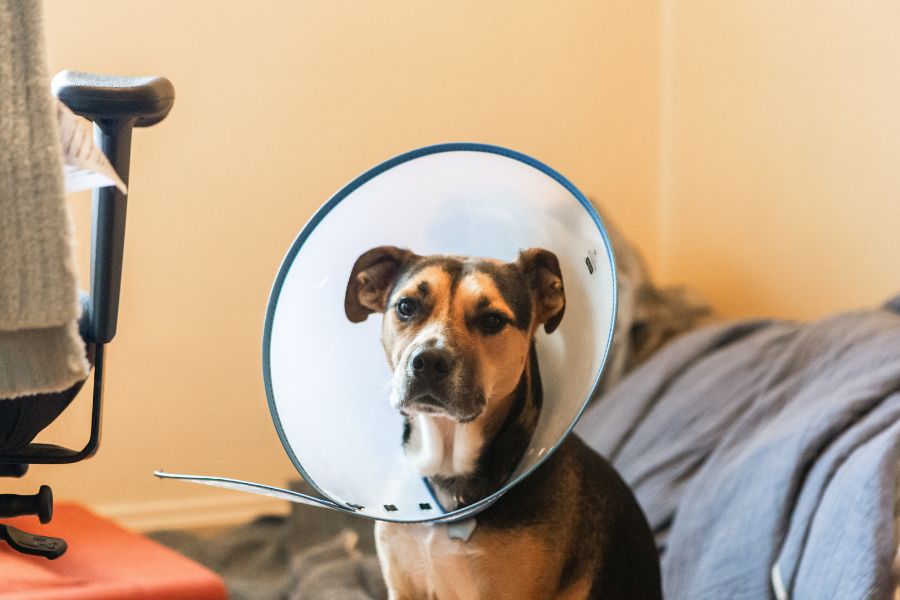
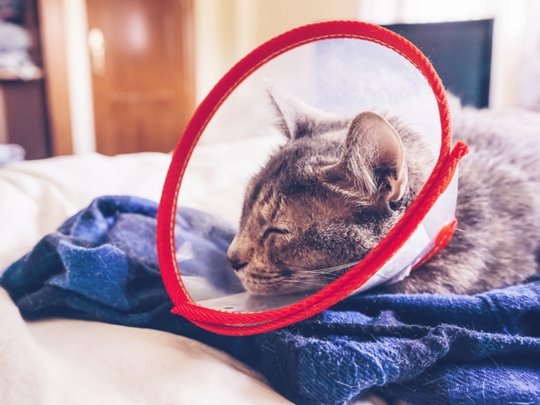
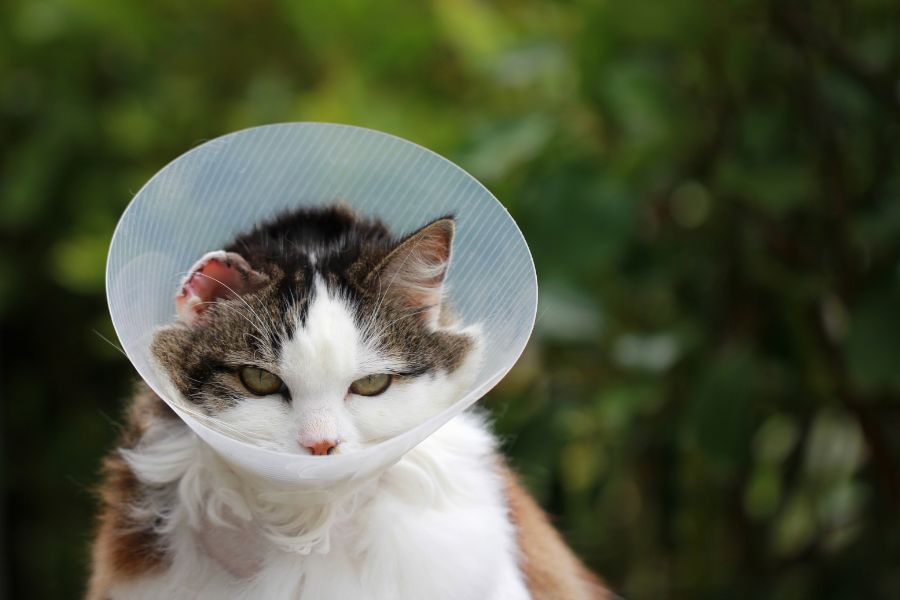
5. Use an e-collar
Prevent your cat from licking or chewing the incision site.
How to Prevent Future Incidents
Prevention is always better than emergency surgery. Since cats are naturally curious, it is important to minimize risks at home.
Practical prevention tips:
- Keep string, thread, and yarn out of reach
- Store small objects securely
- Supervise playtime with toys
- Avoid giving bones or unsafe treats
- Regularly inspect your home for hazards
Even everyday household items can pose a danger if swallowed.
When to Seek Emergency Veterinary Care
Time is critical when dealing with a cat that swallowed a foreign object situation. You should seek immediate care if your cat:
- Has persistent vomiting
- Refuses food for more than 24 hours
- Shows signs of pain or distress
- Has a swollen abdomen
Delaying treatment can increase the need for more invasive surgery and reduce survival chances.
Long-Term Outlook After Surgery
Most cats recover fully after foreign body surgery procedures, especially when treated early. Once healed, they typically return to normal behavior and eating habits.
However, some cats may be prone to repeat incidents, especially if they have a habit of chewing or ingesting non-food items. In such cases, behavioral management and environmental control are important.
Conclusion
When a cat swallows a foreign object, quick action can make all the difference between a simple procedure and a life-threatening emergency. Understanding the signs, knowing what to expect from foreign body surgery in cats, and providing proper cat after surgical care are key to ensuring your pet’s recovery.
If you are searching for expert care for situations like this, reach out to Alameda Veterinary Clinic in Lakewood for trusted support and emergency foreign object surgery for your cats. Early intervention can save your cat’s life. Book an appointment today!.
FAQs
Q1: How do I know if my cat swallowed a foreign object?
Ans: Signs include vomiting, loss of appetite, lethargy, and abdominal pain. If you notice these symptoms, seek veterinary care immediately.
Q2: Can a cat pass a foreign object without surgery?
Ans: Yes, small objects may pass naturally, but larger or sharp items often require a cat’s foreign body removal through surgery.
Q3: How long does recovery take after foreign body surgery in cats?
Ans: Most cats recover within 10 to 14 days with proper care after surgery and rest.
Q4: Is foreign body surgery risky for cats?
Ans: While there are risks, foreign body surgery in cats procedures are generally safe when performed promptly by experienced veterinarians.
Q5: What should I feed my cat after surgery?
Ans: Your vet will recommend a bland, easily digestible diet in small portions during the initial recovery period.