
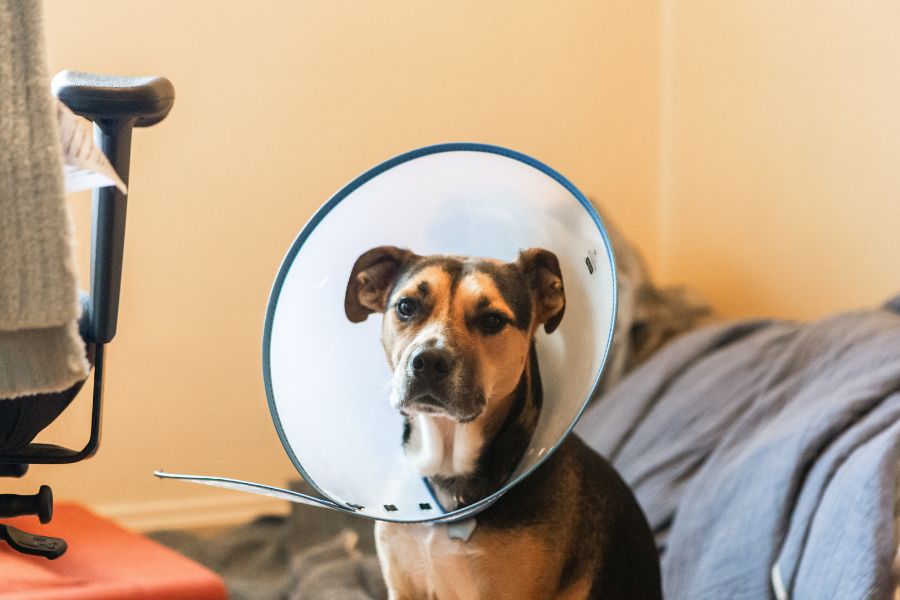
Pre-surgical testing is an important step to ensure your pet’s safety before surgery. Many pets may seem healthy, but hidden health issues can increase the risk during anesthesia and surgery. These tests help us find any potential problems early, allowing us to take the necessary precautions and making the procedure safer and easier for your pet.
Understanding Pre-Surgical Testing
Pre-surgical testing involves basic medical checks to evaluate your pet’s overall health before a procedure. These tests help find any hidden health issues that could make surgery or recovery more difficult. Even seemingly healthy pets may have underlying conditions that should be identified before anesthesia. Conducting these tests ensures your pet receives the best care and helps prevent complications during the operation.
The importance of pre-surgical testing is to ensure your pet’s body can safely withstand the stress of surgery. These tests help the surgical team understand your pet’s individual needs so they can adjust the anesthesia and monitoring if needed. Depending on your pet’s health and the type of procedure, the tests may include blood work, urine tests, an electrocardiogram (EKG), and possibly X-rays.
Why Pre-Surgical Testing Matters?
Pre-surgical testing is crucial for preparing your pet for surgery and offers several key benefits.
- Identifying Hidden Health Issues: Pre-surgery tests can uncover problems such as heart disease, kidney disease, or anemia. Detecting these conditions early allows treatment or management before surgery, helping lower the risk of complications.
- Adjusting Anesthesia Protocols: Blood tests and ECGs help the veterinary team understand how your pet’s body will respond to anesthesia. If your pet has existing health issues, the team may adjust the anesthesia plan to keep them safe throughout the procedure.
- Minimizing Surgery Risks: Addressing health concerns before surgery is essential, as it helps reduce the risk of complications both during and after the procedure. Detecting issues early enables better planning and the implementation of precautionary steps, making the process safer for patients.
- Personalized Care Plan: Using detailed information from pre-surgical tests, the veterinary team can develop a care plan that is specifically suited to your pet’s health needs.
- Peace of Mind for Owners: Knowing that your pet has undergone thorough testing and preparation for surgery provides pet owners with confidence that they have taken all the necessary steps to protect their pet’s health.
Common Pre-Surgical Tests
Pre-surgical tests vary depending on the type of surgery and the individual pet. However, some of the most common tests include:
- Blood Work: Blood tests are crucial for evaluating your pet’s kidney and liver health, blood sugar, and red and white blood cell counts. They offer essential insights into your pet’s overall well-being and help assess how their organs may respond to anesthesia.
- Urinalysis: A urinalysis can detect urinary tract infections, kidney issues, or dehydration, all of which may require treatment before surgery.
- Electrocardiogram (ECG): An ECG checks your pet’s heart rhythm and helps identify any unusual patterns that could be a concern during surgery. If any issues are found, we can adjust the anesthesia to support your pet’s heart health.
- X-rays: X-rays can help evaluate their bones, joints, and internal organs for abnormalities, tumors, or other structural issues, ensuring that any health concerns are identified early.
- Physical Exam: A comprehensive physical exam is conducted to identify any signs of illness or discomfort that might affect the surgery. This involves assessing vital signs, joints, and the pet’s overall condition.
How Pre-Surgical Testing Impacts Recovery?
The importance of pre-surgical testing is to ensure a smooth surgery and recovery. Detecting and addressing potential issues in advance increases the chances that pets will tolerate the procedure and recover more comfortably.
Pre-surgical tests allow for:
- Faster Recovery: When you address health problems before surgery, your pets usually recover faster and experience fewer complications.
- Reduced Stress During Recovery: When you choose the right anesthesia plan and take good care of your pet after surgery, you help reduce their stress and discomfort during recovery.
- Better Long-Term Health Outcomes: Detecting and managing health problems early during pre-surgical testing can help prevent future issues and enhance your pet’s overall health.
Schedule Pre-Surgical Testing for a Safer Pet Surgery
Pre-surgical testing is an important step when your pet needs surgery. It helps ensure your pet’s safety by checking for hidden health problems and allows your veterinarian to choose the best anesthesia plan. This testing also helps prevent problems during surgery and speeds your pet’s recovery, making the whole experience safer and more comfortable.
If your pet requires surgery in Lakewood, CO, remember to arrange pre-surgical testing. Contact Alameda Veterinary Clinic to schedule a consultation and ensure your pet’s health and safety are thoroughly prepared before the procedure.
FAQs
Q1. What tests are included in pre-surgical testing?
Ans. Typical pre-surgical assessments include blood tests to assess organ function, an ECG to monitor heart function, X-rays to detect bone or organ issues, urinalysis to detect infections or kidney problems, and a physical exam to detect visible health concerns. All these tests help customize anesthesia and surgical strategies.
Q2. Can pre-surgical testing prevent complications during surgery?
Ans. Yes, pre-surgical testing is essential in preventing complications. It helps identify health issues such as heart disease, organ problems, or infections, enabling early intervention, adjustments to the surgical plan, and tailored anesthesia to minimize risks and ensure your pet’s safety during surgery.
Q3. How long does it take to get the results of pre-surgical tests?
Ans. Blood work and urinalysis results are typically ready within a few hours, whereas X-ray and ECG results might take longer. Most tests are completed within one or two days, giving the surgical team enough time to review the results and prepare for the procedure.
Q4. What happens if pre-surgical tests reveal health problems?
Ans. If your pet has health problems found during pre-surgical tests, the surgery might be postponed until these issues are treated or stabilized. Fixing these problems ahead of time helps keep your pet safe and reduces the risk of complications during the operation, leading to better results.
Q5. How does blood work help with pre-surgical testing?
Ans. Blood tests help you understand how well your pet’s kidneys and liver are functioning, assess hydration levels, and provide a snapshot of their overall health. They also count red and white blood cells, which are essential to ensuring your pet can safely undergo anesthesia and surgery.