
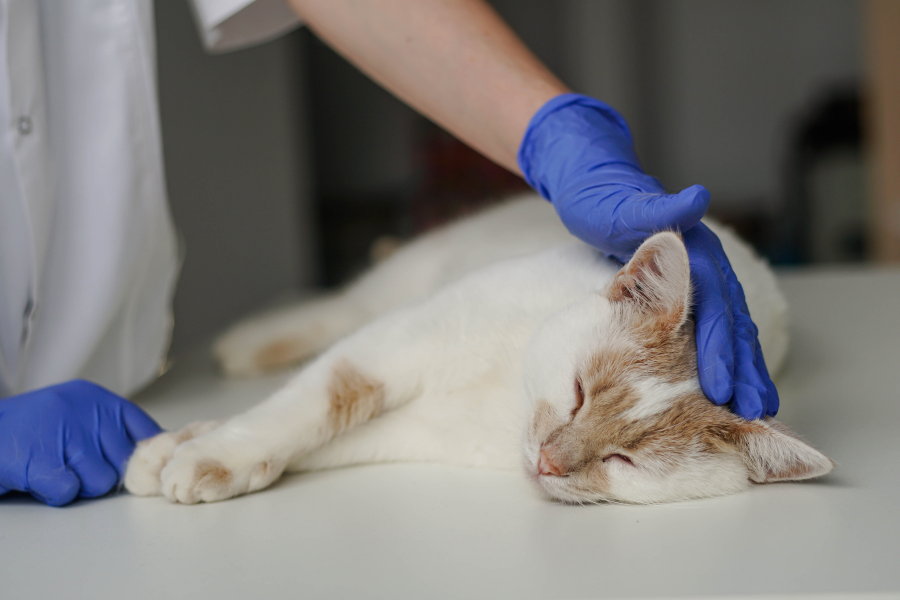
Finding out that your cat has feline immunodeficiency virus (FIV) can raise many questions. You may wonder whether your cat will become sick, whether other cats in your home are at risk, or how the diagnosis could affect everyday life. Although FIV affects a cat’s immune system, a positive test does not mean that your cat will become seriously ill right away.
Many cats with FIV live for years with a good quality of life when they receive appropriate care and regular veterinary checkups. Understanding how the virus spreads, which signs to watch for, and what testing involves can help you make informed decisions. Alameda Veterinary Clinic in Lakewood, CO, encourages cat owners to learn about FIV and work with a veterinarian to create a care plan suited to each cat’s needs. This guide explains the condition in straightforward terms and shares practical steps for supporting a cat living with FIV.
What Is Feline Immunodeficiency Virus (FIV) in Cats?
Feline immunodeficiency virus, commonly called FIV, is a virus that affects a cat’s immune system. The immune system helps protect the body from infections, so cats with FIV may have a harder time fighting certain illnesses as the condition progresses.
FIV is sometimes compared with HIV in people because both affect immune function. However, FIV is a feline virus and does not infect humans. It is not considered a risk to people who live with an FIV-positive cat.
A cat can carry FIV for a long time without showing obvious signs of illness. Some cats remain stable for years, while others may develop recurring infections or other health problems over time. The course of the condition varies from cat to cat.
A few important facts can help clear up common misunderstandings:
- FIV affects cats, not people.
- A positive test does not automatically mean a cat is currently sick.
- FIV is most often spread through deep bite wounds.
- Casual contact, such as sharing a room or resting near another cat, is not the usual way the virus spreads.
- Many FIV-positive cats can enjoy a comfortable life with appropriate care.
An FIV diagnosis should be discussed with a veterinarian rather than treated as a prediction of how long a cat will live. Your cat’s overall health, age, living environment, and access to ongoing care all matter.
How Do Cats Get FIV?
FIV is most commonly transmitted when an infected cat bites another cat and the bite introduces the virus into the other cat’s body. This is one reason outdoor cats that frequently fight may have a higher chance of exposure.
The virus is found in infected cats’ saliva, but ordinary social contact is much less likely to spread FIV. Cats that peacefully live together, groom one another, or share resting areas generally have a lower risk of transmission than cats that engage in serious fights.
Common situations that may increase exposure include:
- Fighting with unfamiliar cats outdoors
- Repeated aggressive encounters with other cats
- Living in an environment where cats frequently fight
- Having outdoor access without supervision
- Introducing cats that have a history of aggression without a careful plan
FIV is not typically spread through shared food bowls, water bowls, litter boxes, or routine grooming. Still, every cat household is different, and a veterinarian can help assess the risks when an FIV-positive cat lives with other cats.
A mother cat may sometimes pass the virus to her kittens, but this is not the main route of transmission in most cases. The risk depends on several factors, including the mother’s condition and the circumstances surrounding birth and nursing.
If your cat spends time outdoors, is involved in fights, or has an unknown health history, discuss FIV testing with your veterinarian. Knowing a cat’s status can help you make decisions about housing, introductions, and long-term care.
What Are the Symptoms of FIV in Cats?
FIV can affect cats differently, and some show few noticeable signs for a long time. When symptoms occur, they may be related to infections or other health problems that become more difficult for the immune system to manage.
Possible signs include:
- Recurring infections
- Inflamed or painful gums
- Bad breath or difficulty eating
- Weight loss
- Reduced appetite
- Persistent fever
- Swollen lymph nodes
- Poor coat condition
- Ongoing diarrhea
- Slow healing of wounds
- Changes in energy or behavior
Mouth and gum problems are common concerns in cats with FIV. You may notice drooling, pawing at the mouth, dropping food, or reluctance to eat dry food. These signs should be assessed because dental and oral pain can affect a cat’s comfort and nutrition.
However, these symptoms do not prove that a cat has FIV. Weight loss, fever, poor appetite, and recurring infections can have many causes, including conditions unrelated to the virus.
Some cats may appear healthy even after testing positive. That is why testing and veterinary assessment are important when a cat has a possible exposure or a health history that raises concern.
Keep track of changes in eating, drinking, weight, grooming, and activity. Contact your veterinarian if your cat develops recurring symptoms or seems unwell. Early assessment can help identify treatable problems and support your cat’s comfort.
How Is FIV Diagnosed in Cats?
Veterinarians diagnose FIV through testing, usually with a blood test that looks for antibodies produced in response to the virus. The test helps determine whether a cat has likely been exposed to FIV, but the result must be interpreted in light of the cat’s age, history, and possible exposure.
Your veterinarian may recommend testing if your cat:
- Has a history of outdoor fighting
- Has been bitten by an unfamiliar cat
- Has an unknown background or recently entered your home
- Shows recurring infections or other unexplained health changes
- Lives with cats whose FIV status is unknown and there is a concern about exposure
A positive screening result may need further evaluation, depending on the situation. A veterinarian may recommend another test or a different testing method to help clarify the result. The best approach depends on the cat’s age, health history, and the likelihood of exposure.
Kittens need particular care when interpreting results. Young kittens may have antibodies passed from their mothers, which can affect some test results even if the kitten is not infected. A veterinarian can explain whether repeat testing is appropriate as the kitten grows.
Hypothetical example: A cat named Oliver is adopted after spending time outdoors. He appears healthy, but his history includes several encounters with unfamiliar cats. His new owner discusses testing with the veterinarian, who recommends an FIV test based on Oliver’s background. After reviewing the result and Oliver’s overall health, the veterinarian explains the findings and helps the owner plan suitable follow-up care.
Testing is not only about identifying the virus. It also helps guide decisions about keeping cats safely, monitoring their health, and responding to future symptoms.
Can Cats With FIV Live Long, Healthy Lives?
Yes, many cats with FIV can live for years and maintain a good quality of life. The virus affects the immune system, but the timing and severity of related health problems vary widely. Some cats remain stable for a long period, while others need more frequent care because of recurring infections or other conditions.
A positive result does not automatically mean that a cat will become severely ill or have a short life. Your veterinarian in Lakewood can help assess your cat’s overall condition and recommend care based on individual needs.
Several factors can support a comfortable life:
- Keeping your cat indoors or in a secure outdoor enclosure
- Providing a complete and balanced diet
- Maintaining a healthy body weight
- Monitoring appetite, grooming, and activity
- Seeking veterinary advice when new symptoms appear
- Treating infections and dental problems promptly
- Reducing exposure to situations that may lead to fighting
Indoor living can help reduce contact with unfamiliar cats, prevent fighting, and lower exposure to other outdoor hazards. It also makes it easier to monitor your cat’s eating, litter box habits, and general behavior.
Some FIV-positive cats may live peacefully with other cats. The risk of transmission is generally lower in stable households where cats get along and do not bite one another. However, introducing cats should be done thoughtfully, especially if there is a history of aggression or the health status of other cats is unknown.
Your veterinarian can help you weigh the risks and decide what living arrangement is appropriate. With a consistent routine and attention to changes in health, an FIV-positive cat can remain a valued member of the family.
How Should You Care for a Cat With FIV?
Caring for an FIV-positive cat focuses on maintaining general health, noticing changes early, and treating medical problems when they arise. There is no single care plan that fits every cat, so regular veterinary guidance is important.
Keep up with veterinary checkups
Regular examinations give your veterinarian an opportunity to monitor your cat’s weight, mouth, skin, lymph nodes, and overall condition. The recommended schedule may depend on your cat’s age, health, and whether any symptoms are present.
At home, keep notes about changes in appetite, thirst, litter box habits, energy, and grooming. These details can help your veterinarian identify patterns and decide whether additional testing is needed.
Provide balanced nutrition
Choose a complete, balanced cat food suited to your cat’s life stage and health needs. Ask your veterinarian before making major dietary changes or adding supplements. Raw or undercooked foods may expose cats with weakened immune function to harmful organisms, so discuss food safety if you are considering a special diet.
Maintain good dental health
Mouth inflammation and dental disease can cause significant discomfort in cats with FIV. Watch for bad breath, drooling, bleeding gums, difficulty chewing, or reduced interest in food. Your veterinarian can recommend suitable dental care and treatment when needed.
Reduce stress and support daily routines
A predictable environment can help cats feel secure. Provide clean resting areas, accessible litter boxes, fresh water, scratching surfaces, and opportunities for gentle play. Avoid sudden changes when possible, and introduce new pets gradually.
Treat health changes promptly
If your cat develops a skin problem, digestive symptoms, mouth pain, or another new concern, arrange a veterinary assessment. Do not give human medication or leftover prescriptions without veterinary instructions.
A simple care routine can make it easier to notice small changes before they become more difficult to manage.
| Care area | Helpful approach |
| Nutrition | Feed a balanced diet appropriate for your cat |
| Monitoring | Track appetite, weight, energy, and litter box habits |
| Dental health | Watch for gum inflammation, bad breath, and eating difficulties |
| Living environment | Keep your cat indoors or in a secure outdoor space |
| Social contact | Reduce the chance of fighting with other cats |
| Veterinary care | Follow the checkup and testing schedule recommended for your cat |
How Can You Protect Other Cats in Your Home?
If you have an FIV-positive cat, you may wonder whether your other cats are at risk. The main concern is direct exposure through bite wounds, rather than ordinary contact between cats that live together peacefully.
Start by discussing the household situation with your veterinarian. They can help you consider the cats’ behavior, health status, and history before recommending how to manage introductions and shared living areas.
Helpful steps include:
- Reduce fighting. Provide enough food bowls, water stations, litter boxes, resting areas, and vertical spaces to reduce competition.
- Introduce cats gradually. Use a slow introduction process instead of putting unfamiliar cats together immediately.
- Monitor interactions. Watch for chasing, cornering, growling, or other signs that a cat feels threatened.
- Consider testing. Ask your veterinarian whether other cats in the household should be tested based on their exposure history.
- Prevent unsupervised roaming. Keeping cats indoors or in a secure enclosure reduces contact with unfamiliar cats.
- Avoid assumptions. Do not separate cats automatically without considering their behavior and the advice of your veterinarian.
In a stable household where cats do not fight, the risk of FIV transmission through casual contact is considered low. However, the safest plan depends on the individual cats and whether they can coexist without biting.
If a new cat joins the household, discuss health testing and introductions before allowing close contact. This can help protect all the cats and make the transition less stressful.
Conclusion
Feline immunodeficiency virus affects a cat’s immune system, but an FIV-positive result does not automatically mean that your cat will become seriously ill. Many cats live for years with a good quality of life when they receive appropriate nutrition, a stable home, pet wellness exams, and timely treatment for health problems.
Understanding how FIV spreads can also help you make informed decisions about outdoor access and living with other cats. Deep bite wounds are the main route of transmission, while peaceful everyday contact carries a much lower risk. If you have questions about testing, symptoms, or ongoing care, Alameda Veterinary Clinic in Lakewood, CO, can help you discuss your cat’s individual needs and plan appropriate follow-up. Paying attention to small changes and maintaining a consistent care routine can make a meaningful difference in your cat’s well-being.
FAQs
Q1: What is FIV in cats, and how does it affect their health?
A: FIV is a virus that affects a cat’s immune system and can make it harder to fight certain infections. Some cats remain healthy for years, while others develop recurring illnesses over time. Regular veterinary care can help monitor health and address problems when they arise.
Q2: Can FIV spread from cats to humans?
A: No, feline immunodeficiency virus is a cat-specific virus and is not known to infect humans. People can safely care for an FIV-positive cat using normal hygiene practices. The main transmission concern is between cats, especially through deep bite wounds.
Q3: How do veterinarians test cats for FIV?
A: A veterinarian will usually recommend a blood test that checks for antibodies to the virus. Depending on the result, the cat’s age, and its history, additional or repeat testing may be recommended. Your veterinarian can explain what the result means for your cat.
Q4: Can an FIV-positive cat live with other cats?
A: Some FIV-positive cats can live peacefully with other cats, particularly in stable households where fighting does not occur. Because deep bite wounds are the main route of transmission, reducing aggression is important. Discuss introductions and testing with your veterinarian before changing your household arrangement.
Q5: How can Alameda Veterinary Clinic help care for a cat with FIV?
A: The team at Alameda Veterinary Clinic can help you discuss FIV testing, interpret results, monitor your cat’s health, and plan ongoing care. Regular examinations and attention to changes in appetite, weight, or behavior can help identify concerns early. Your veterinarian can tailor recommendations to your cat’s age, health, and home environment.