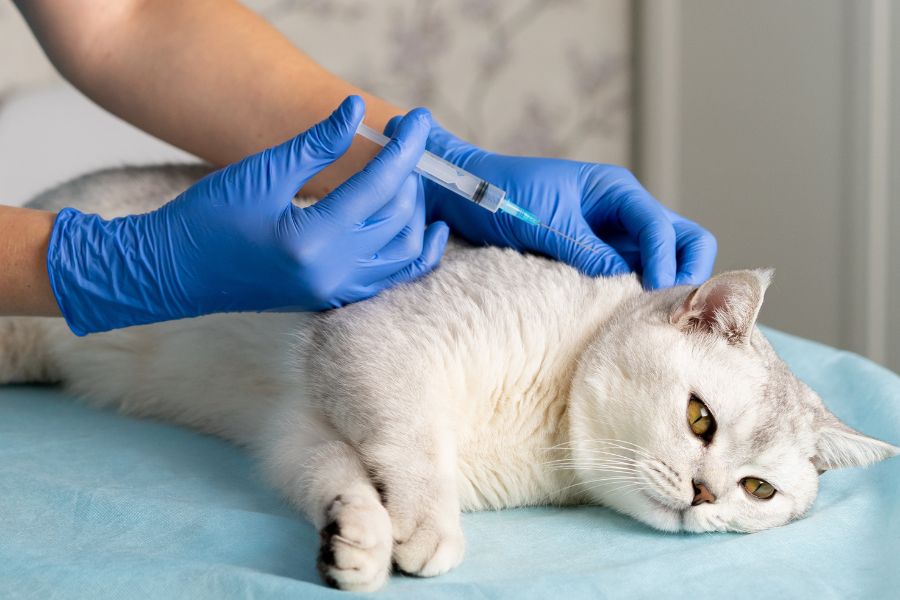

Creating a healthy lifestyle for your pets at home isn’t just about great food and regular baths—it’s a thoughtful combination of routines, enrichment, emotional support, safety, and preventive care.
When each element works together, your pet enjoys a longer, happier, and more fulfilling life. This veterinarian’s approved guide walks you through practical, easy-to-follow strategies that help transform everyday pet care into a wellness-focused lifestyle.
Healthy Habits Begin at Home: Understanding Your Pet’s Core Needs
Every pet—whether a playful puppy, curious cat, or calm senior companion—thrives on predictable routines. When you establish consistent daily habits, you help reduce anxiety, prevent behavior problems, and support good physical health.
Begin by assessing what your pet already receives at home. Do they have a balanced diet? Are they sleeping well? Do they get enough mental stimulation? While every animal is unique, the foundation of a healthy lifestyle remains the same: food, exercise, safety, emotional bonding, and preventive care.
“Fuel for Life”: Crafting a Nutritious Feeding Routine
Just like you, your pet depends on quality nutrition to stay strong and energetic. Transitioning to a healthier lifestyle starts with examining what goes into the food bowl.
Spot the Difference (Prominent Comparison)
Commercial Junk-Filled Treats vs. Whole-Ingredient, Nutrient-Rich Treats
- Commercial treats: Often contain fillers, artificial flavors, added salts, sugars, and preservatives that may lead to weight gain or digestive upset.
- Wholesome treats: Include small pieces of cooked chicken, carrots, blueberries, or vet-approved chews that support overall health.
This simple comparison shows how dramatically food choices impact wellness.
Quick Feeding Tips
- Choose diets labeled “complete and balanced.”
- Introduce new foods gradually to avoid stomach upsets.
- Measure meals instead of free-feeding to prevent obesity.
- Offer fresh water at all times.
- Stick to consistent feeding times.
When in doubt, seek guidance from your trusted veterinarian in Lakewood to ensure the diet aligns with your pet’s lifestyle and medical needs.
“Move to Improve”: Making Exercise Part of Everyday Life
Exercise is not a luxury—it’s essential for healthy joints, mental stimulation, and behavioral stability. Transitioning gradually into a daily movement routine keeps pets motivated and prevents fatigue or injury.
Creative Activity Ideas at Home
- Indoor Treasure Hunts: Hide treats under cups or around the living room to activate their sense of smell.
- DIY Agility Course: Create tunnels using chairs, cardboard boxes, and cushions for safe, fun obstacle training.
- Laser Pointer Play for Cats: This quick, engaging game helps nervous or high-energy cats burn off steam.
- Stair Climbing: Perfect for dogs needing structured cardio.
- Morning and Evening Walks: Use these walks to strengthen your bond and maintain weight control.
Regardless of the activity, aim for consistency. Pets prefer routines that mimic natural behavior patterns.
“Brains Need Work Too”: Mental Enrichment for Daily Wellness
A healthy lifestyle includes nurturing your pet’s mind—not just their muscles. Many behavioral issues, including barking, destructive chewing, anxiety, and restlessness, stem from mental boredom.
Easy Enrichment Ideas
- Puzzle feeders that turn mealtime into a challenge
- Training sessions using positive reinforcement
- New scents like lavender (pet-safe varieties) to stimulate curiosity
- Rotating toys to keep everyday play fresh
- Window perches for cats to watch birds, traffic, and outdoor movement
With mental enrichment, your pet becomes more confident, calm, and engaged.
“Clean Pets, Happy Homes”: Grooming as a Lifestyle Ritual
Grooming does more than enhance appearance—it contributes directly to health.
Essential Grooming Habits
- Brushing: Removes loose fur and prevents matting
- Bathing: Use pet-safe products to avoid skin irritation
- Ear Cleaning: Prevents infections, especially in floppy-eared breeds
- Nail Trimming: Avoids painful overgrowth and posture problems
- Dental Care: A must for preventing tartar buildup and gum disease
Transitioning grooming into a weekly routine prevents stress and helps detect early signs of skin issues, parasites, or lumps.
“Connected & Calm”: Emotional Wellness at Home
A healthy lifestyle includes emotional safety. Pets read your energy closely, so a peaceful home environment directly enhances their wellbeing.
Ways to Support Emotional Health
- Keep a predictable routine to minimize anxiety
- Offer safe spaces such as cozy crates or window hammocks
- Engage in bonding rituals like evening cuddles or morning brushing
- Use playtime as a positive bonding method
- Maintain a low-stress environment during storms or fireworks
Even small changes—like slower transitions when leaving home—can significantly improve your pet’s emotional balance.
“Safe & Sound”: Creating a Pet-Proof, Wellness-Focused Home
Even the most loving homes can contain hidden hazards. Transitioning to a healthier lifestyle means creating a safe, pet-friendly environment.
Pet-Proofing Checklist
- Secure trash cans and food storage containers
- Hide electrical cords and small choking hazards
- Install childproof locks for cabinets containing cleaning products
- Remove toxic plants like lilies, sago palms, and aloe (for cats)
- Keep medications stored out of reach
- Ensure open balconies and windows have sturdy screens
A safe home reduces emergency risks and supports stress-free living.
“Prevention is Protection”: Veterinary Care as a Lifestyle Cornerstone
No healthy lifestyle plan is complete without proactive veterinary support. Even if your pet seems perfectly fine, preventive care catches subtle issues before they become serious.
Essential Preventive Care Includes:
- Routine wellness exams
- Vaccinations
- Parasite prevention
- Dental checkups
- Bloodwork for early disease detection
Transitioning to a preventive mindset ensures your pet remains healthy long-term.
Developing a healthy lifestyle for pets at home is an evolving journey—not a one-time task. With mindful daily habits, balanced nutrition, engaging activities, structured grooming, emotional bonding, and consistent preventive care, your pet gains a lifetime of comfort and vitality.
When you commit to these veterinarian-approved strategies, you create a home where your pet doesn’t just live—they flourish.