Whether it’s a routine procedure or something more complex, every pet owner wants reassurance that their companion will be safe, comfortable, and well cared for. Understanding what happens before surgery helps reduce anxiety and ensures you’re fully prepared to support your pet’s recovery. This guide explains what pet owners should know before scheduling pet surgery, including preparation steps, common risks, and how veterinarians prioritize safety. With the right knowledge, you can make confident decisions that protect your pet’s health and give them the best possible outcome.
Understanding Pet Surgery
Pet surgery refers to any medical procedure that requires anesthesia, ranging from spay and neuter operations to dental procedures or soft-tissue surgeries. While the word “surgery” can sound intimidating, many veterinary procedures are routine and highly successful.
Importantly, modern veterinary medicine relies on advanced diagnostics, monitoring equipment, and trained teams to ensure procedures are as safe as possible. Knowing the type of surgery your pet needs and why it’s recommended helps you understand the benefits and potential risks.
Why Surgery May Be Recommended
Veterinarians recommend surgery when it’s the most effective way to treat or prevent a health issue. Common reasons include:
- Removing painful or infected tissue
- Repairing injuries or congenital conditions
- Preventing future health problems
- Improving quality of life and comfort
In many cases, delaying surgery could lead to worsening symptoms or complications. Therefore, timely action often supports faster recovery and better long-term health.
Pre-Surgical Exams and Testing
Before scheduling surgery, your veterinarian will perform a thorough physical exam and may recommend diagnostic tests. These steps help ensure your pet is healthy enough for anesthesia.
Common Pre-Surgical Tests
- Bloodwork to assess organ function
- Imaging, such as X-rays or ultrasound
- Heart or respiratory evaluations, if needed
These tests allow the veterinary team to customize anesthesia protocols and minimize risks. As a result, your pet receives care tailored to their specific needs.
How to Prepare Your Pet Before Surgery
Preparation plays a critical role in surgical success. Your veterinarian will provide specific instructions, but general guidelines often include:
- Fasting: Most pets must avoid food for 8–12 hours before surgery.
- Medication adjustments: Certain medications may need to be paused.
- Calm environment: Reducing stress helps keep your pet relaxed before arrival.
Following these instructions closely supports smoother anesthesia and recovery.
What to Expect on Surgery Day
On the day of surgery, your pet will be admitted and monitored closely. Veterinary staff check vital signs, administer anesthesia safely, and remain with your pet throughout the procedure.
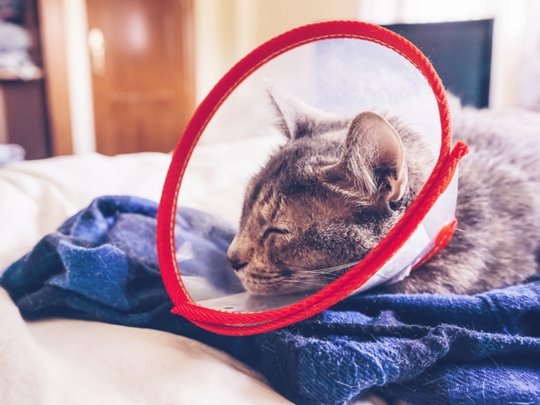
After surgery, pets recover in a quiet, temperature-controlled area. Pain management is prioritized, and you’ll receive updates along the way. This careful monitoring ensures any concerns are addressed immediately.
Post-Surgery Recovery and Care
Recovery doesn’t end when you bring your pet home. Proper aftercare is essential for healing.
At-Home Recovery Tips
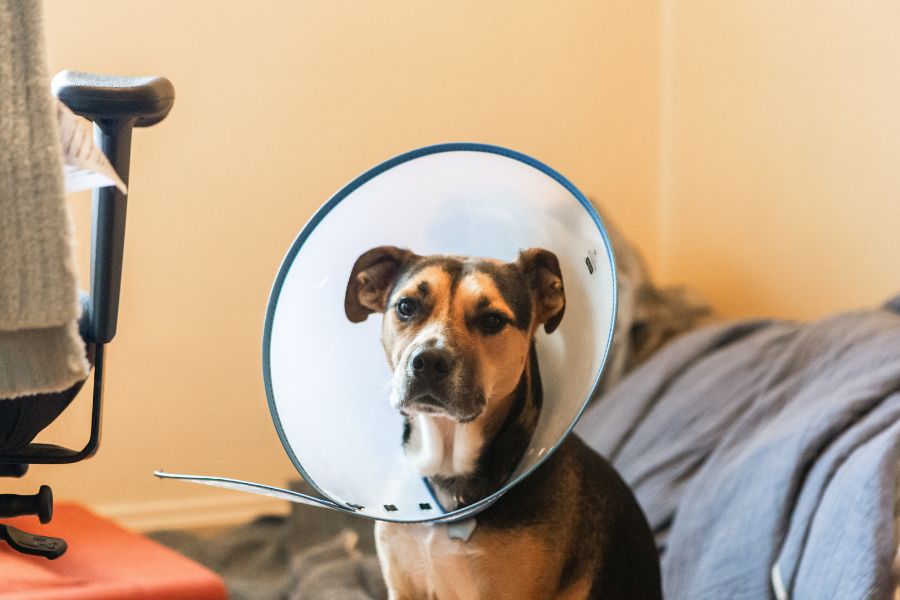
- Limit activity and prevent jumping or running
- Administer medications exactly as prescribed
- Keep surgical sites clean and dry
- Watch for signs of infection or discomfort
Consistency and patience during recovery significantly improve outcomes and comfort.
When to Contact Your Veterinarian
Although most pets recover smoothly, it’s important to stay alert. Contact your veterinarian if you notice:
- Excessive swelling or discharge
- Loss of appetite beyond 24 hours
- Lethargy that worsens instead of improving
- Difficulty breathing or severe pain
Prompt communication helps prevent complications and keeps recovery on track.
Trusted Support Makes a Difference
Choosing an experienced veterinary team matters when planning surgery. Clinics like Alameda Veterinary Clinic in Lakewood, CO, focus on personalized care, clear communication, and safety at every stage. If you ever need guidance from a veterinarian in your area, asking questions and understanding the process helps build confidence and trust.
Preparing for surgery can feel stressful, but understanding the process helps you advocate confidently for your pet. By following veterinary guidance, monitoring recovery, and asking questions, you play a key role in successful outcomes. When planned carefully, veterinary pet surgery can significantly improve comfort, health, and quality of life. If your pet has been recommended for a procedure, take time to prepare and stay informed—your support makes all the difference.
Book an appointment with the Alameda Veterinary Clinic to discuss your pet’s surgical needs and next steps.
Frequently Asked Questions:
Q1: Is pet surgery safe?
A: Yes, most procedures are very safe thanks to modern anesthesia, monitoring equipment, and pre-surgical testing that reduces risk.
Q2: How long does it take for pets to recover after surgery?
A: Recovery time varies by procedure, but many pets feel better within a few days while full healing may take a few weeks.
Q3: Will my pet feel pain after surgery?
A: Pain management is a priority. Veterinarians prescribe medications and provide guidance to keep pets comfortable during recovery.
Q4: Should I stay home with my pet after surgery?
A: It’s recommended to monitor your pet closely for the first 24–48 hours to ensure proper healing and comfort.
Q5: Can older pets safely undergo surgery?
A: Age alone isn’t a barrier. Pre-surgical exams help determine whether surgery is appropriate for senior pets.
Q6: What should I do if my pet won’t eat after surgery?
A: Mild appetite changes are normal, but refusal to eat beyond a day should be reported to your veterinarian.