
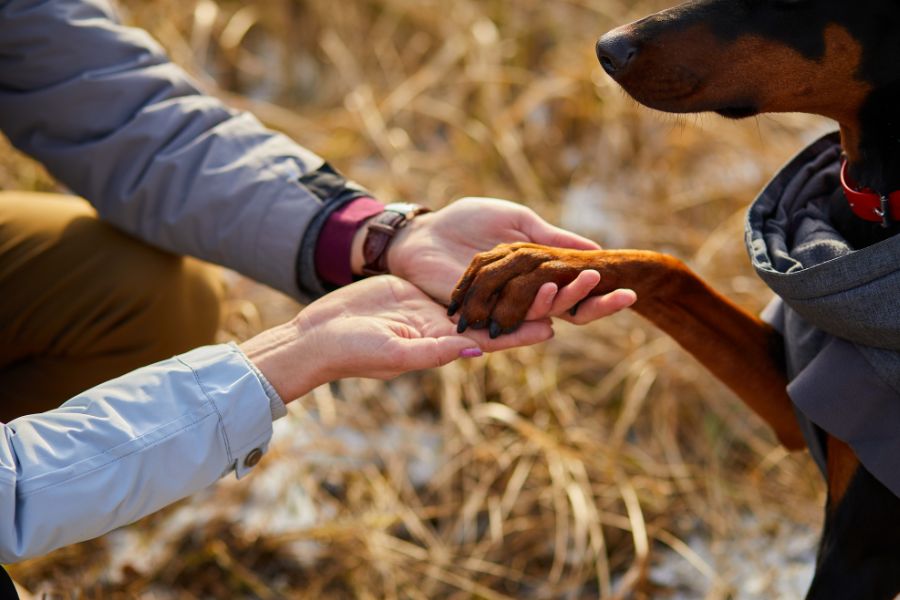
The phrase “man’s best friend” is more than a cliché. It reflects the powerful human-animal bond that has shaped both dogs and humans for thousands of years. From emotional support to physical health benefits, the bond between dogs and humans is deeply rooted in science, history, and everyday life.
In this article, we will explore why dogs earned this title, how the emotional bond with dog companions improves our well-being, and what makes this relationship unlike any other. Whether you are a lifelong dog owner or considering adopting your first puppy, understanding this bond will deepen your appreciation for your four-legged friend.
The History Behind “Man’s Best Friend”
Dogs were domesticated over 15,000 years ago, possibly even earlier. Archaeological evidence shows that early humans and wolves formed mutually beneficial partnerships. Wolves helped hunt and protect camps, while humans provided food and shelter.
Over generations, selective breeding shaped wolves into the domestic dogs we know today. This long history laid the foundation for the modern bond between dogs and humans.
Key historical roles of dogs include:
- Hunting partners
- Livestock guardians
- War companions
- Family protectors
- Emotional companions
Unlike other domesticated animals, dogs evolved specifically to live closely with humans. This unique co-evolution strengthened the human-animal bond across centuries.
The Science of the Human-Animal Bond
The human-animal bond is not just emotional; it is biological.
Research shows that when a dog and owner make eye contact, both experience a release of oxytocin. Oxytocin is often called the “love hormone” because it strengthens social attachment. This same hormone is involved in bonding between parents and children.
Additional scientific findings include:
- Petting a dog lowers cortisol, the stress hormone
- Dog ownership is associated with lower blood pressure
- Companion dogs can reduce symptoms of anxiety and depression
- Physical interaction with dogs improves serotonin and dopamine levels
This explains why the emotional bond with dog companions feels so natural and comforting. The connection activates real physiological responses that promote calmness and happiness.
Why the Bond Between Dogs and Humans Is Unique
Not all pets form the same type of attachment. The bond between dogs and humans stands out for several reasons.
1. Dogs Read Human Emotions
Dogs can interpret facial expressions, tone of voice, and body language. Studies show they can distinguish between happy and angry faces. Many owners report that their dog senses when they are sad or stressed.
2. Unconditional Loyalty
Dogs do not judge social status, appearance, or success. Their loyalty is consistent and unconditional. This strengthens the emotional bond with dog companions because the relationship feels safe and reliable.
3. Shared Activities
Dogs participate actively in human life. They:
- Go on walks and hikes
- Play interactive games
- Travel with families
- Serve in working roles
This constant interaction reinforces the human-animal bond daily.
4. Dependency and Trust
Dogs rely on humans for food, safety, and social interaction. In return, humans rely on dogs for companionship, protection, and emotional support. This mutual dependency deepens attachment.
Emotional Benefits of the Emotional Bond With Dog Companions
The emotional bond with dog companions provides measurable mental health benefits.
Reduced Anxiety and Stress
Spending just 10 to 15 minutes petting a dog can significantly lower stress levels. Dogs provide grounding and routine, which helps reduce anxiety.
Improved Social Interaction
Dog owners are more likely to meet neighbors and engage in conversations during walks. This improves social connection and decreases feelings of isolation.
Support During Grief or Trauma
Therapy dogs are commonly used in hospitals, schools, and disaster zones. Their presence offers comfort without the need for words.
Increased Sense of Purpose
Caring for a dog adds structure to daily life. Feeding schedules, walks, and playtime provide consistency and responsibility, which can improve mood and motivation.
How Dogs Improve Physical Health
The human-animal bond extends beyond emotions.
Increased Physical Activity
Dog owners walk more often than non-dog owners. Regular walking supports:
- Cardiovascular health
- Weight management
- Joint mobility
- Better sleep
Heart Health Benefits
Studies suggest dog ownership may lower the risk of heart disease. Reduced stress and increased activity both contribute to cardiovascular wellness.
Immune System Support in Children
Children raised with dogs may develop stronger immune systems and lower rates of allergies. Early exposure to pet dander can help train the immune system appropriately.
The bond between dogs and humans truly impacts both mental and physical health.
The Role of Dogs in Modern Society
Dogs continue to strengthen the human-animal bond in new ways.
Service and Working Dogs
Service dogs assist individuals with:
- Visual impairments
- Hearing loss
- Mobility challenges
- PTSD
Their training allows them to perform life-changing tasks.
Emotional Support Animals
For individuals with anxiety or depression, the emotional bond with dog companions provides daily comfort and reassurance.
Family Companions
In most households, dogs are considered family members. They attend family outings, appear in holiday photos, and even have birthday celebrations.
This deep integration into family life reinforces why dogs are called “man’s best friend.”
How to Strengthen the Bond With Your Dog
If you want to deepen your bond between dogs and humans, focus on intentional interaction.
Practical Tips:
- Spend quality time daily with play and training.
- Use positive reinforcement rather than punishment.
- Maintain routine for feeding and exercise.
- Provide mental stimulation with puzzles and enrichment toys.
- Schedule regular veterinary care to support overall health.
Consistent care builds trust. When dogs feel secure, the human-animal bond grows even stronger.
Conclusion
The phrase “man’s best friend” captures centuries of partnership, loyalty, and emotional connection. The human-animal bond explains why the bond between dogs and humans feels so natural and powerful. From lowering stress hormones to providing unconditional love, the emotional bond with dog companions enriches our lives in measurable ways.
If you are looking to strengthen your relationship with your dog near me, prioritizing regular wellness care is essential. At Alameda Veterinary Clinic in Lakewood, our team supports the lifelong human-animal bond by keeping pets healthy and happy. Contact us today and give your best friend the care they deserve.
FAQs
Q1: What makes the human-animal bond with dogs so strong?
Ans: The human-animal bond is strengthened by shared hormones like oxytocin, daily interaction, and thousands of years of domestication that shaped dogs to connect closely with humans.
Q2: How does the bond between dogs and humans affect mental health?
Ans: The bond between dogs and humans lowers stress hormones, increases serotonin levels, and provides emotional stability, which can reduce anxiety and depression.
Q3: Why do dogs seem to understand human emotions?
Ans: Dogs evolved alongside humans and developed the ability to read facial expressions, tone, and body language, strengthening the emotional bond with dog companions.
Q4: Can owning a dog improve physical health?
Ans: Yes, dog ownership encourages regular exercise, lowers blood pressure, and may reduce the risk of heart disease.
Q5: How can I build a stronger emotional bond with my dog?
Ans: Spend consistent quality time together, use positive training methods, maintain routine care, and ensure regular veterinary checkups to support long-term health and trust.