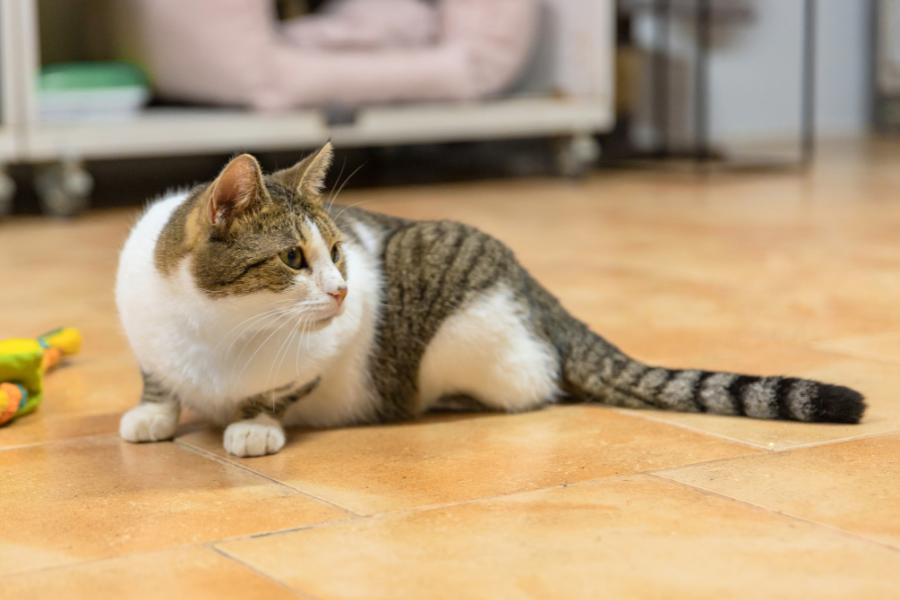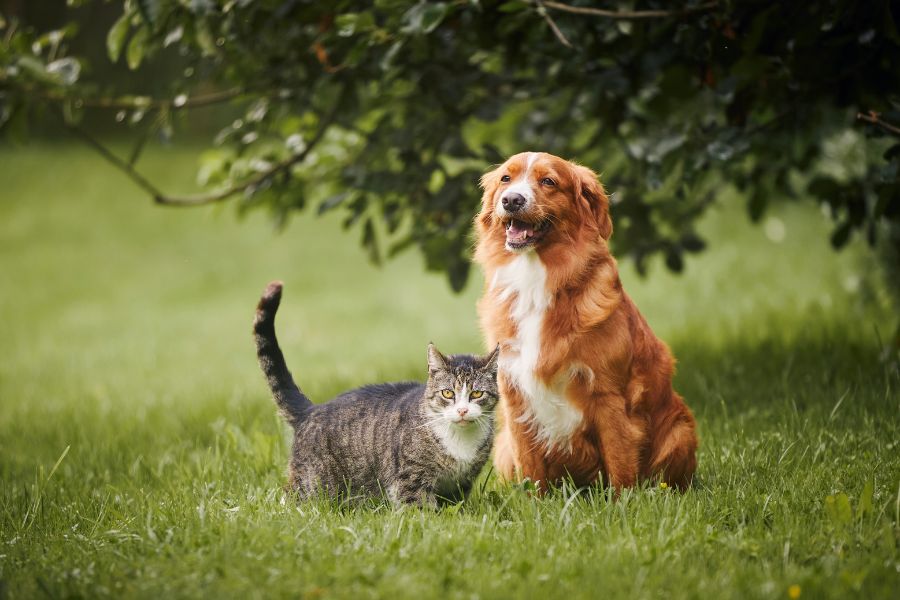
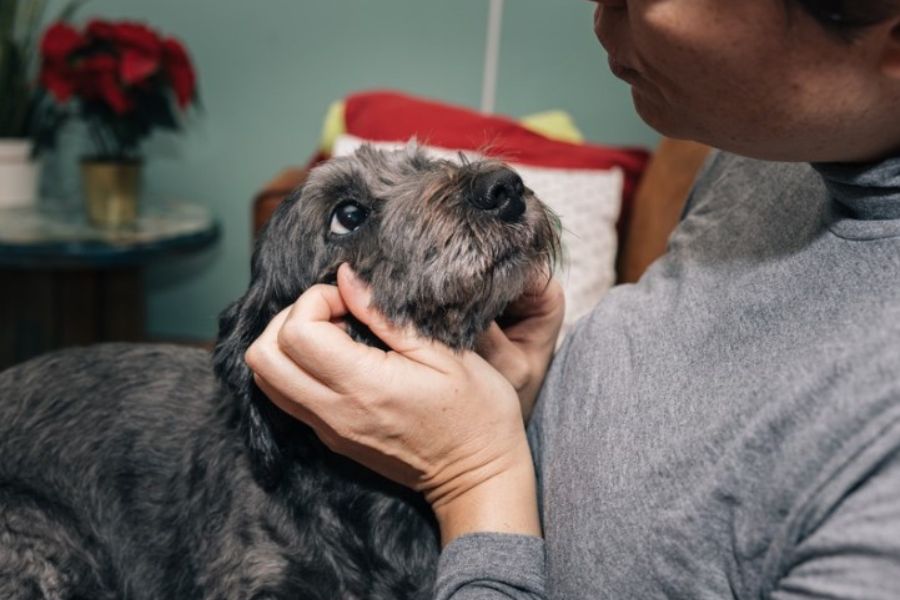
Your dog refuses to eat before a vet visit. Your cat hides under the bed every time guests come over. You chalk it up to a quirky personality, but there may be something more going on beneath the surface. Chronic stress in pets does not just affect their mood. It affects their body, their immune system, and their long-term health in ways that many pet owners never connect to anxiety. At Alameda Veterinary Clinic in Lakewood, CO, our team sees stress-related health issues in pets more often than most owners expect. This article will walk you through what stress actually does inside your pet’s body, the physical warning signs to watch for, and what a veterinarian recommends to help your furry family member feel safe and well again.
What Stress Actually Does to Your Pet’s Body?
Most people think of stress as an emotional problem. But in dogs and cats, stress in dogs and cats triggers a real, measurable physical response. When your pet feels threatened or anxious, the body releases cortisol and adrenaline, hormones that put the body on high alert. That is useful in a true emergency. The problem starts when stress becomes a daily pattern rather than a passing moment.
Over time, elevated stress hormones suppress the immune system. A pet who is constantly anxious is less able to fight off infections, recover from illness, or respond well to vaccines. The gut is another early casualty. Stress disrupts the delicate balance of bacteria in the digestive system, leading to loose stools, vomiting, or a pattern of unexplained stomach upset.
The cardiovascular system takes a hit too. Chronically stressed pets may develop elevated heart rates and blood pressure, placing extra strain on the heart and blood vessels over months and years. Skin and coat health also reflect internal stress. Pets under prolonged anxiety often over-groom, developing bald patches or skin sores, or their coat becomes dry and dull because the body is redirecting resources away from maintenance functions. The bottom line is this: stress is not just in your pet’s head. It lives in their body.
Physical Signs of Pet Stress Symptoms You Should Not Ignore
Recognizing pet stress symptoms early gives you the best chance to step in before the health effects become serious. The signs are not always dramatic. Sometimes they are easy to dismiss as “just how my pet is.” Here is what to look for:
Digestive changes:
- Loose stools or diarrhea that comes and goes without a clear dietary cause
- Vomiting after stressful events (car rides, visitors, thunderstorms)
- Loss of appetite or a sudden reluctance to eat from their usual bowl
Skin and coat issues:
- Excessive scratching, licking, or chewing at paws and legs
- Hair loss in patches, particularly on the belly, sides, or tail base
- Recurring hot spots or skin infections without an obvious allergy trigger
Physical tension and behavior:
- Muscle stiffness or a low, hunched posture
- Trembling or panting when no physical exertion is involved
- Frequent yawning, lip licking, or blinking (common stress signals in cats and dogs)
Take a moment to think about when these symptoms appear. If they cluster around specific events, like a change in your schedule, a new pet in the home, or loud construction nearby, stress is likely playing a role.
How a Veterinarian Diagnoses Stress-Related Health Issues?
This is where pet owners are sometimes surprised. There is no single stress test for animals. When you bring your pet in for pet anxiety treatment, a veterinarian will take a thorough history first. That means asking about your pet’s daily routine, recent changes at home, the timing of symptoms, and how your pet behaves in different situations.
From there, your vet will likely recommend a physical exam and basic lab work, including a blood panel and urinalysis. These help rule out underlying medical causes. Gastrointestinal issues, skin conditions, and immune problems can all have non-stress causes, and your vet needs to confirm that stress is the primary driver rather than something like hypothyroidism, allergies, or infection.
Once medical causes are ruled out or identified alongside stress, your veterinarian can put together a treatment plan. This might include behavioral strategies, environmental changes, nutritional support, and in some cases, medication or calming supplements. The goal is always to treat the whole pet, not just the symptom showing up on the surface.
What Pet Owners Can Do at Home to Reduce Stress?
You do not have to wait for a clinic visit to start helping your pet. Many effective signs of stress in pets interventions begin right at home with small, consistent changes.
Create a predictable routine. Pets thrive on consistency. Feeding, walking, and playtime at the same time each day gives your dog or cat a sense of control over their environment. Even small schedule disruptions can spike anxiety in sensitive animals.
Provide a safe retreat. Every pet needs a space that is entirely their own. For cats, this often means a high shelf or a covered bed in a quiet room. For dogs, a crate with familiar bedding works well. The key is that this space is never used for punishment and is always accessible.
Use calming tools thoughtfully. Pheromone diffusers (like Adaptil for dogs or Feliway for cats) can reduce baseline anxiety for many pets. Calming wraps, white noise machines, and puzzle feeders are also worth trying. These tools work best as part of a broader plan, not as a standalone fix.
Increase positive social time. Short, gentle play sessions and calm affection help reset the nervous system. Avoid overstimulating a stressed pet, but do not withdraw completely. A quiet presence is often more comforting than high-energy interaction.
How Our Team Helps Stressed Pets at Our Clinic?
Beyond the basics of home care, some pets need a more structured approach. That is where working with a veterinarian in Lakewood CO, becomes particularly valuable. At Alameda Veterinary Clinic, our approach to stress-related health issues is collaborative and unhurried.
For pets with moderate to severe anxiety, your veterinarian may recommend:
- Behavioral consultation: Identifying specific triggers and building a desensitization plan tailored to your pet
- Prescription calming medications: Short-term use before known stressors (fireworks, travel) or longer-term support for pets with chronic anxiety disorders
- Nutritional support: Certain therapeutic diets and supplements, including those containing L-theanine, casein, or alpha-casozepine, have evidence behind them for mild to moderate anxiety
- Follow-up monitoring: Stress-related health damage, particularly to the gut and immune system, often needs ongoing management and lab monitoring to track recovery
Every plan is built around your individual pet. A nervous rescue greyhound needs a different approach than an anxious Bengal cat. There is no one-size-fits-all answer here, and your veterinarian will take the time to understand your pet’s specific situation before making recommendations.
When to See a Vet About Your Pet’s Stress?
Some stress is a normal part of life for pets, just as it is for people. But there are clear signals that it is time to bring in professional help rather than waiting to see if things improve on their own.
Schedule an appointment with your veterinarian if you notice:
- Digestive symptoms (vomiting, diarrhea, appetite loss) lasting more than a few days
- Skin sores, hot spots, or significant hair loss from over-grooming
- A sudden change in personality, increased aggression, or withdrawal from the family
- Physical symptoms that seem to worsen around identifiable triggers
- Any health issue that keeps returning despite treatment
Do not wait until your pet is visibly suffering. Catching stress-related health changes early makes treatment far more effective and prevents longer-term damage to the immune system, gut, and cardiovascular health.
Helping Your Pet Live a Calmer, Healthier Life
Stress is one of the most underestimated factors in pet health. It quietly chips away at the immune system, disrupts digestion, irritates the skin, and changes your pet’s quality of life in ways that build slowly over time. The good news is that stress-related health problems are treatable, and most pets respond very well once the right plan is in place.
The most important steps are to recognize the physical signs early, make supportive changes at home, and partner with a Lakewood veterinarian who can dig deeper when needed. At Alameda Veterinary Clinic in Lakewood, CO, our team is here to help you understand what your pet is experiencing and create a path forward that works for your whole household. If your pet has been showing signs of stress or stress-related health issues, reach out to us today to schedule an appointment. Your pet deserves to feel safe, comfortable, and well.
Frequently Asked Questions
Q1: What does stress do to a dog’s or cat’s physical health?
Ans: Chronic stress triggers the release of cortisol and other stress hormones that suppress the immune system, disrupt digestion, and affect skin and coat health over time. Pets under ongoing stress are more vulnerable to infections, stomach issues, and recurring skin problems. The effects are gradual, which is why they are often overlooked until they become more serious.
Q2: What are the physical signs of stress in pets I should watch for?
Ans: Common physical signs include loose stools or vomiting that seem tied to stressful events, excessive licking or scratching, patchy hair loss, and recurring skin sores. You may also notice trembling, panting without exertion, or a hunched posture. If these symptoms appear regularly around specific triggers, stress is a likely factor worth discussing with your veterinarian.
Q3: What treatments does a veterinarian recommend for pet anxiety?
Ans: Treatment depends on the severity of your pet’s anxiety and what is driving it. Options include behavioral modification plans, pheromone diffusers, calming supplements with ingredients like L-theanine, and prescription medications for more significant anxiety. Your vet will combine these tools based on your pet’s specific needs and health history rather than using a single solution for every case.
Q4: How much does pet anxiety treatment cost at a vet clinic?
Ans: Costs vary depending on the approach. A standard wellness exam and consultation to discuss anxiety typically runs between $50 and $150. If lab work is needed to rule out medical causes, that adds to the total. Prescription medications and follow-up visits are additional. Many clinics offer bundled wellness plans that can offset these costs for pets needing ongoing care.
Q5: When should I take my pet to the vet for stress or anxiety?
Ans: If your pet’s physical symptoms (digestive upset, skin issues, appetite changes) last more than a few days, or if anxiety is visibly affecting their quality of life, it is time to see a veterinarian. You should also seek help if your pet becomes aggressive, stops engaging with the family, or if the same health issues keep returning despite home treatment. Early intervention leads to better outcomes.