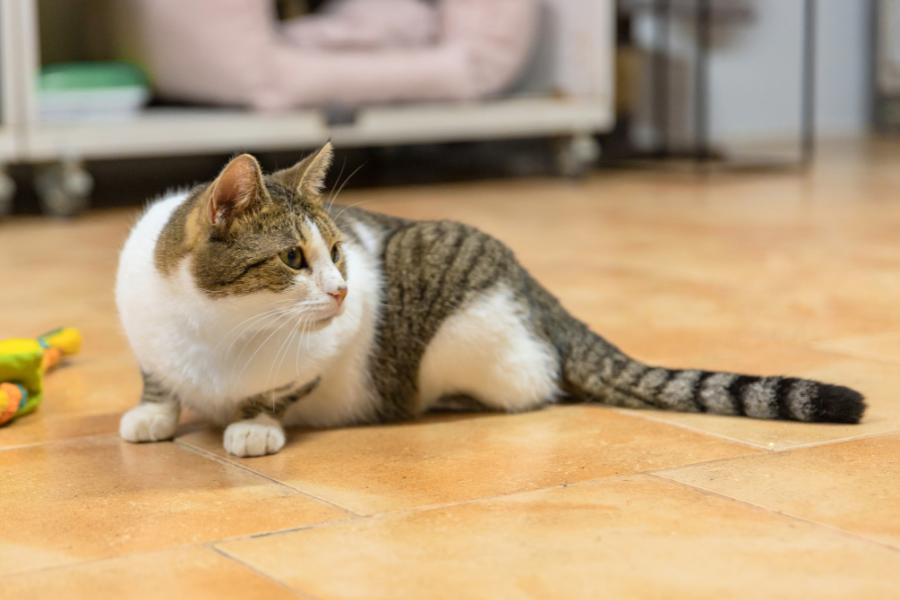
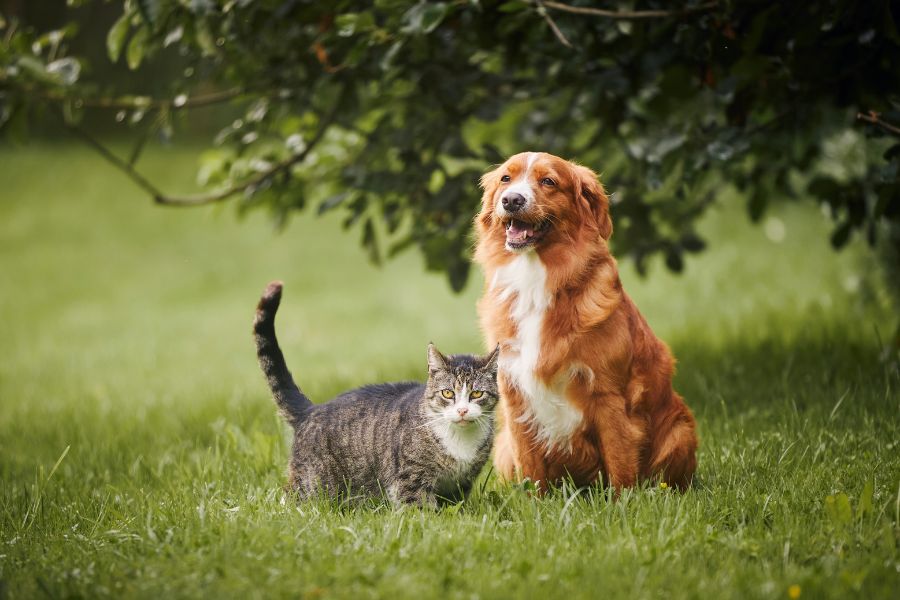
Have you ever watched your dog roll across freshly treated grass or noticed your cat nibbling on lawn blades after yard care? If so, you may have wondered whether hydrogen peroxide in grass is harmful to pets and whether you should worry about. Lawn care products can sound alarming, especially when they contain chemicals you recognize from your medicine cabinet. Fortunately, the answer depends on how hydrogen peroxide is being used, its concentration, and whether it has fully broken down. This guide explains how hydrogen peroxide behaves on grass, when it may become a concern, what warning signs to watch for, and how to keep your pet safe.
Is Hydrogen Peroxide in Grass Harmful to Pets
In most cases, properly diluted hydrogen peroxide used on grass is not harmful once it has dried and broken down. Hydrogen peroxide is an unstable molecule made of hydrogen and oxygen. After application, sunlight, air, and natural enzymes in soil quickly break it into these harmless components.
The greatest risk occurs immediately after application, especially if a pet walks through wet grass, licks its paws, or drinks pooled solution before it has decomposed.
Think of hydrogen peroxide like a fizzy cleaning bubble. When it touches dirt, plants, and tiny organisms, it rapidly releases oxygen. That oxygen helps reduce certain fungi, bacteria, and algae on lawns, but it also means the original chemical disappears relatively quickly.
| Question | Simple Scientific Explanation |
| What is hydrogen peroxide? | A liquid made of water with one extra oxygen atom (H₂O₂). |
| Why does it bubble? | It releases oxygen when it contacts organic material. |
| What happens after spraying? | Sunlight and soil break it into water and oxygen. |
| Why can pets be affected? | Wet concentrated solution may irritate skin, eyes, or the mouth if licked. |
| Is dried grass usually safe? | Yes, because little or no active hydrogen peroxide remains. |
Although most lawn applications become safe fairly quickly, following product directions is always important.
Why Is Hydrogen Peroxide Used on Grass
Hydrogen peroxide has become popular because it can help improve lawn health without leaving long-lasting chemical residues.
Some common uses include:
- Reducing fungal growth
- Managing algae or moss
- Improving oxygen around plant roots
- Cleaning contaminated soil surfaces
- Supporting recovery of stressed grass
Unlike many lawn chemicals that remain active for days or weeks, hydrogen peroxide works rapidly and then naturally decomposes.
| Purpose | How It Helps Grass | Pet Concern |
| Fungus control | Releases oxygen that damages fungal cells | Low after drying |
| Algae removal | Breaks down algae surfaces | Low after drying |
| Soil oxygenation | Adds temporary oxygen to the root zone | Minimal |
| Surface cleaning | Reduces some bacteria and mold | Avoid contact while wet |
Because it breaks down quickly, many homeowners consider it one of the milder lawn treatment options when used correctly.
How Can Hydrogen Peroxide Affect Pets
Even though hydrogen peroxide eventually becomes harmless, a fresh or concentrated solution can temporarily irritate your pet.
The severity depends on:
- Concentration
- Amount of exposure
- Size of your pet
- Whether your pet swallowed it
- Contact with eyes or skin
Easy Scientific Explanation
Hydrogen peroxide releases oxygen bubbles. Inside your pet’s mouth or stomach, those bubbles can create irritation. Larger amounts may cause vomiting because the rapid release of oxygen stretches the stomach lining. On the skin, concentrated peroxide removes protective oils from cells, causing temporary irritation or redness.
| Exposure | What Happens | Possible Signs |
| Walking on wet grass | Mild skin irritation | Paw licking, redness |
| Licking wet paws | Mouth irritation | Drooling, vomiting |
| Eye exposure | Irritates the eye surface | Squinting, tearing |
| Drinking concentrated solution | Stomach irritation | Vomiting, discomfort |
Fortunately, serious poisoning from properly diluted lawn applications is uncommon.
Signs and Symptoms to Watch For
If your pet contacts freshly treated grass before it dries, monitor them for unusual symptoms.
Possible signs include:
- Excessive drooling
- Repeated paw licking
- Vomiting
- Lip smacking
- Red or irritated skin
- Red eyes
- Paw sensitivity
- Refusing food
- Mild stomach upset
More severe exposure, especially from concentrated products stored in the home, may lead to:
- Persistent vomiting
- Difficulty swallowing
- Swelling around the mouth
- Lethargy
- Trouble breathing
These situations require prompt veterinary evaluation. Symptoms often appear shortly after exposure, making it easier to connect them with recent lawn treatment.
How Veterinarians Diagnose and Treat Hydrogen Peroxide Exposure
If your pet develops symptoms after walking on recently treated grass, your veterinarian will first determine how much exposure occurred.
Diagnosis usually includes:
- Physical examination
- Reviewing the product label
- Checking the eyes, mouth, and skin
- Assessing hydration
- Monitoring stomach irritation if ingestion occurred
Treatment depends on the severity.
| Problem | Possible Veterinary Care |
| Skin irritation | Gentle washing and soothing medication |
| Eye exposure | Sterile eye flushing |
| Mild stomach irritation | Anti-nauseamedication and supportive care |
| Larger ingestion | Monitoring and additional treatment if needed |
Hypothetical Example
Imagine a Labrador named Bailey whose owner sprayed diluted hydrogen peroxide across the backyard to control lawn fungus. Before the grass dried, Bailey raced outside, rolled in the wet lawn, and then spent several minutes licking his paws. A few hours later, he developed mild drooling and vomited once. After a veterinary examination, the symptoms were found to be consistent with mild irritation from recent exposure. Bailey received supportive care, recovered quickly, and his owner was advised to keep pets away from treated grass until it had completely dried after future lawn applications. Situations like this are generally manageable when addressed early.
What Pet Owners Can Do at Home
Preventing exposure is much easier than treating irritation later.
Helpful precautions include:
- Read every product label carefully.
- Keep pets indoors during application.
- Allow treated grass to dry completely.
- Follow all waiting period recommendations.
- Wipe your pet’s paws after outdoor walks.
- Prevent pets from drinking pooled lawn solution.
- Store concentrated hydrogen peroxide securely.
| Do | Avoid |
| Wait until grass is dry | Let pets run on wet treated grass |
| Rinse paws if unsure | Ignore repeated paw licking |
| Follow label directions | Mix stronger concentrations than instructed |
| Store products safely | Leave containers where pets can reach them |
These simple habits significantly reduce accidental exposure.
When Should You See a Veterinarian
Many pets experience no problems after properly dried lawn treatments. However, you should consult with a Lakewood veterinarian if your pet:
- Swallows concentrated hydrogen peroxide
- Vomits repeatedly
- Has persistent drooling
- Develops eye irritation
- Shows swelling around the mouth
- Appears weak or lethargic
- Has trouble breathing
- Continues showing symptoms for several hours
Prompt evaluation helps prevent minor irritation from becoming a more significant problem. If you are unsure how much exposure occurred, contacting your veterinarian is always the safest decision.
Conclusion
Hydrogen peroxide used on grass is generally considered low risk for pets after it has fully dried and broken down into water and oxygen. The main concern is fresh exposure to wet or concentrated solution, which may temporarily irritate the skin, eyes, or digestive system. Reading product labels, keeping pets away during application, and monitoring for unusual symptoms are simple ways to reduce risk. If your pet develops vomiting, excessive drooling, or signs of irritation after lawn treatment and you are searching for a vet near you, then the team at Alameda Veterinary Clinic in Lakewood is here to evaluate the situation and provide appropriate care.
FAQs
Q1: Is hydrogen peroxide on grass toxic to dogs?
A: Properly diluted hydrogen peroxide that has completely dried is generally considered low risk. Fresh or concentrated solution may cause temporary irritation if a dog walks through it or licks it.
Q2: How long should I keep my pet off grass treated with hydrogen peroxide?
A: Follow the manufacturer’s instructions. In many cases, pets should stay off the lawn until the treated area has completely dried.
Q3: Can cats get sick from hydrogen peroxide on grass?
A: Cats may experience irritation if they groom peroxide from their paws or fur after walking on freshly treated grass. Dry-treatedlawns are typically much safer.
Q4: What happens if my dog licks hydrogen peroxide from its paws?
A: Small amounts may cause mild drooling or stomach irritation. Larger exposures or persistent symptoms should be evaluated by a veterinarian.
Q5: Should I call my veterinarian if my pet vomits after lawn treatment?
A: Yes. Even if the vomiting appears mild, it is best to contact your veterinarian for guidance, especially if vomiting continues, your pet seems uncomfortable, or the product concentration is unknown.